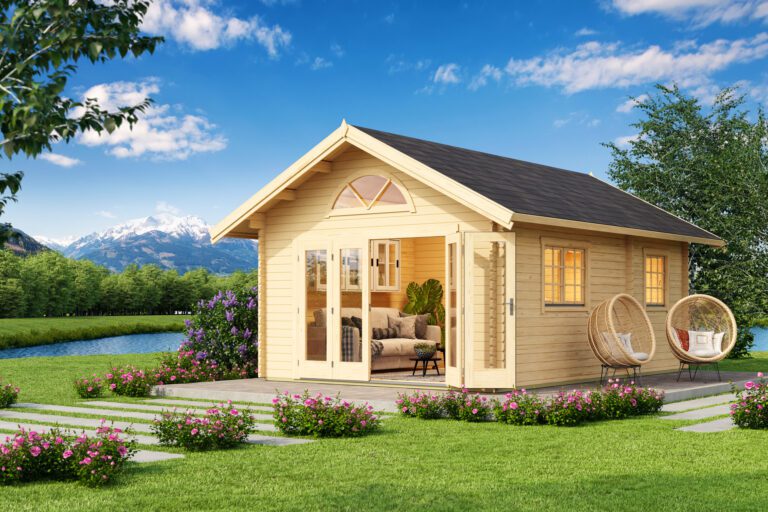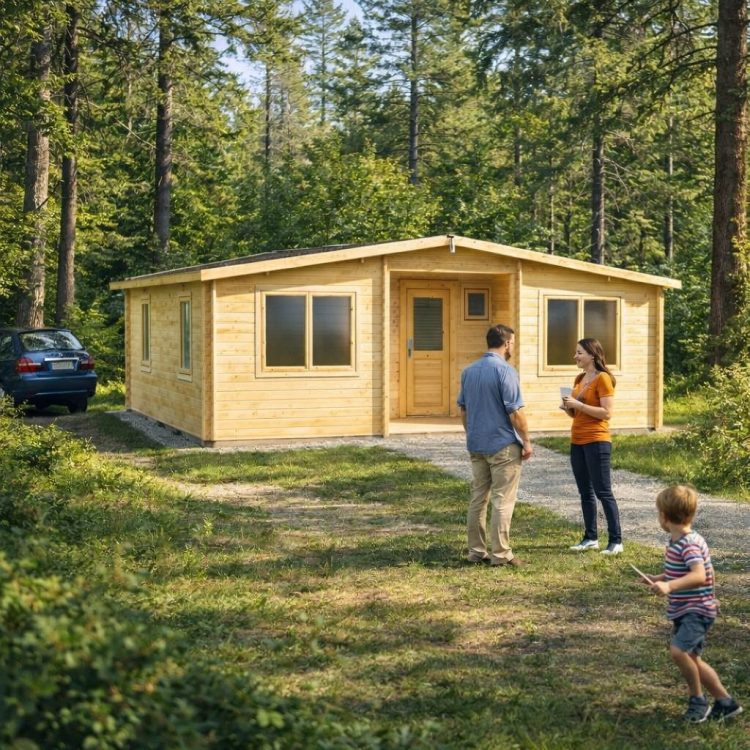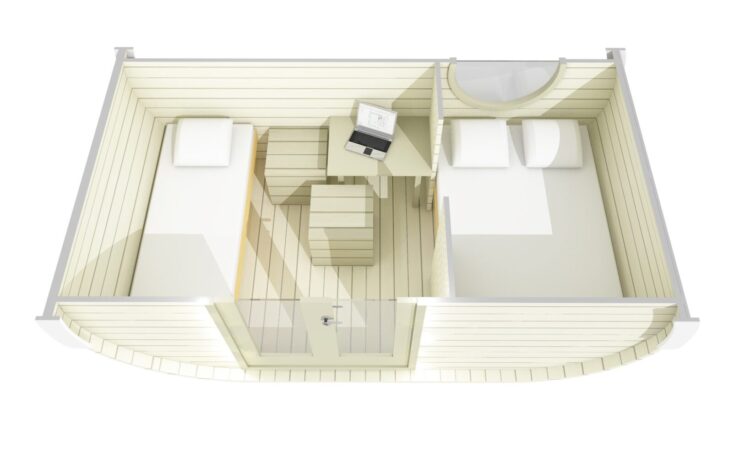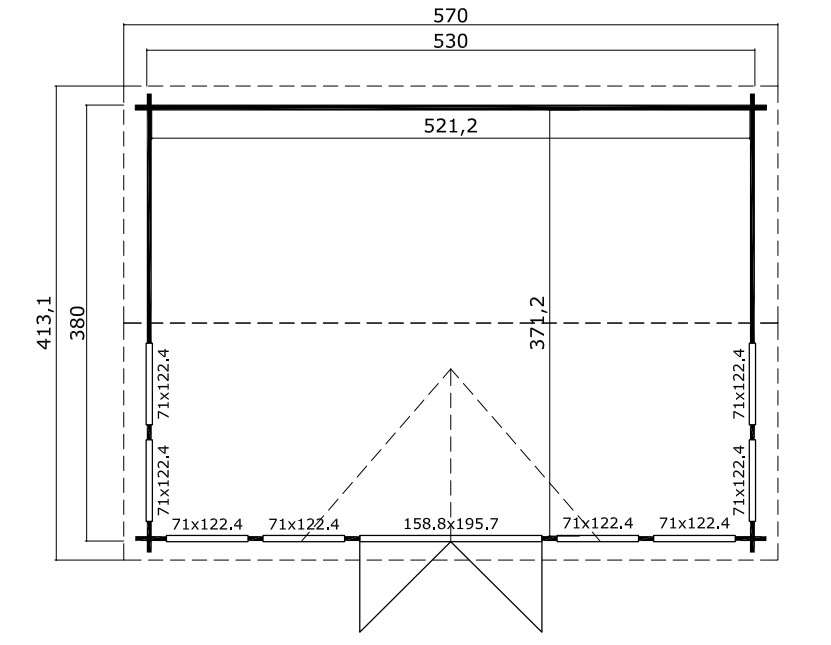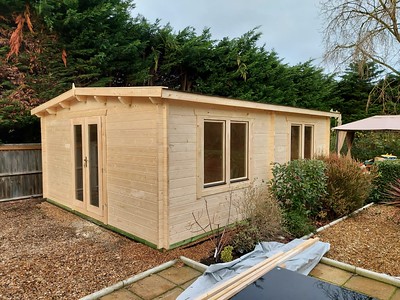
Piza Multi Room Apex 44mm Chalet
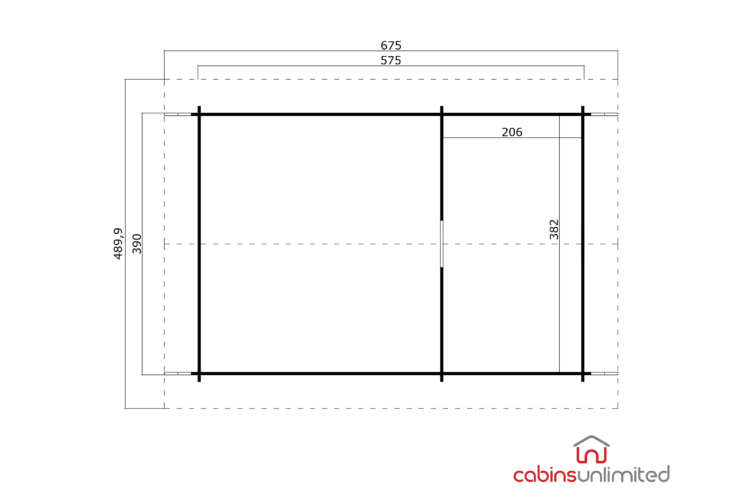
5.0m x 6.0m, Height: Over 2.5m, Wall Thickness: 44mm
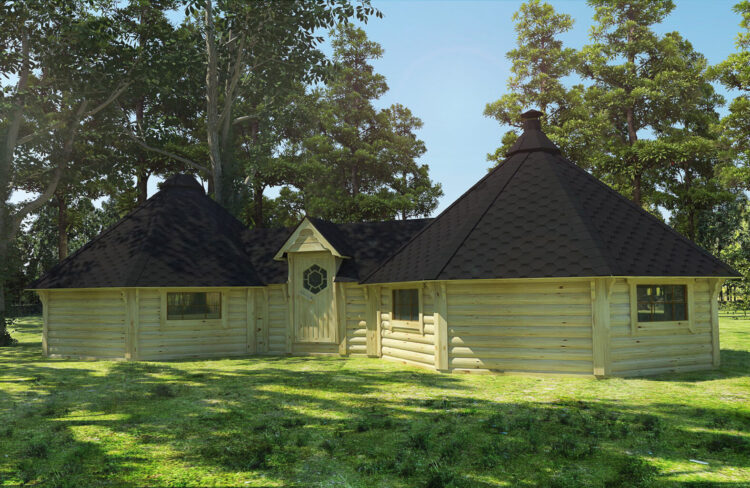
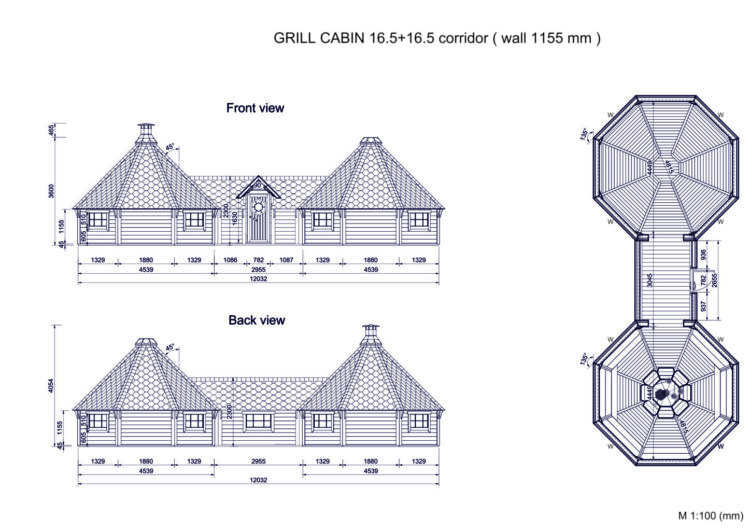
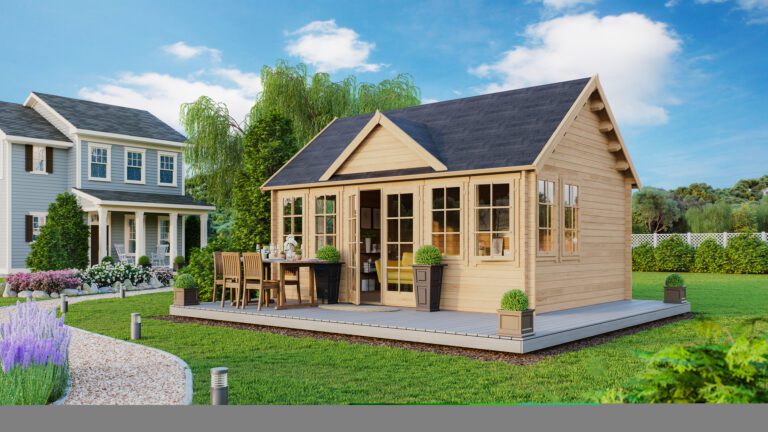
Popular multiroom chalet – great as an office bar or garden accommodation
From £11,995
Pay just £500 deposit to secure
Modern log cabins and garden rooms can be exceptionally warm in winter when built with the correct wall thickness, insulation, and glazing. Timber is naturally insulating, and when combined with engineered interlocking logs and optional upgrades such as thicker wall profiles, insulated roof and floor systems, and high‑performance doors and windows, these buildings perform similarly to a traditional extension. Our range spans from 28 mm summer-use cabins right up to 70 mm+ premium winter-ready models, with many designs offering upgrade paths to thicker logs for improved warmth and stability. This blog explains how insulation works, how heating systems behave in cold weather, and what customers should expect from a properly specified cabin.
One of the most common misconceptions is that log cabins are cold in winter. In reality, modern timber buildings are engineered to retain heat exceptionally well — especially when built with thicker interlocking logs and proper insulation. Timber has a naturally low thermal conductivity, meaning it slows heat transfer and helps maintain a stable internal temperature.
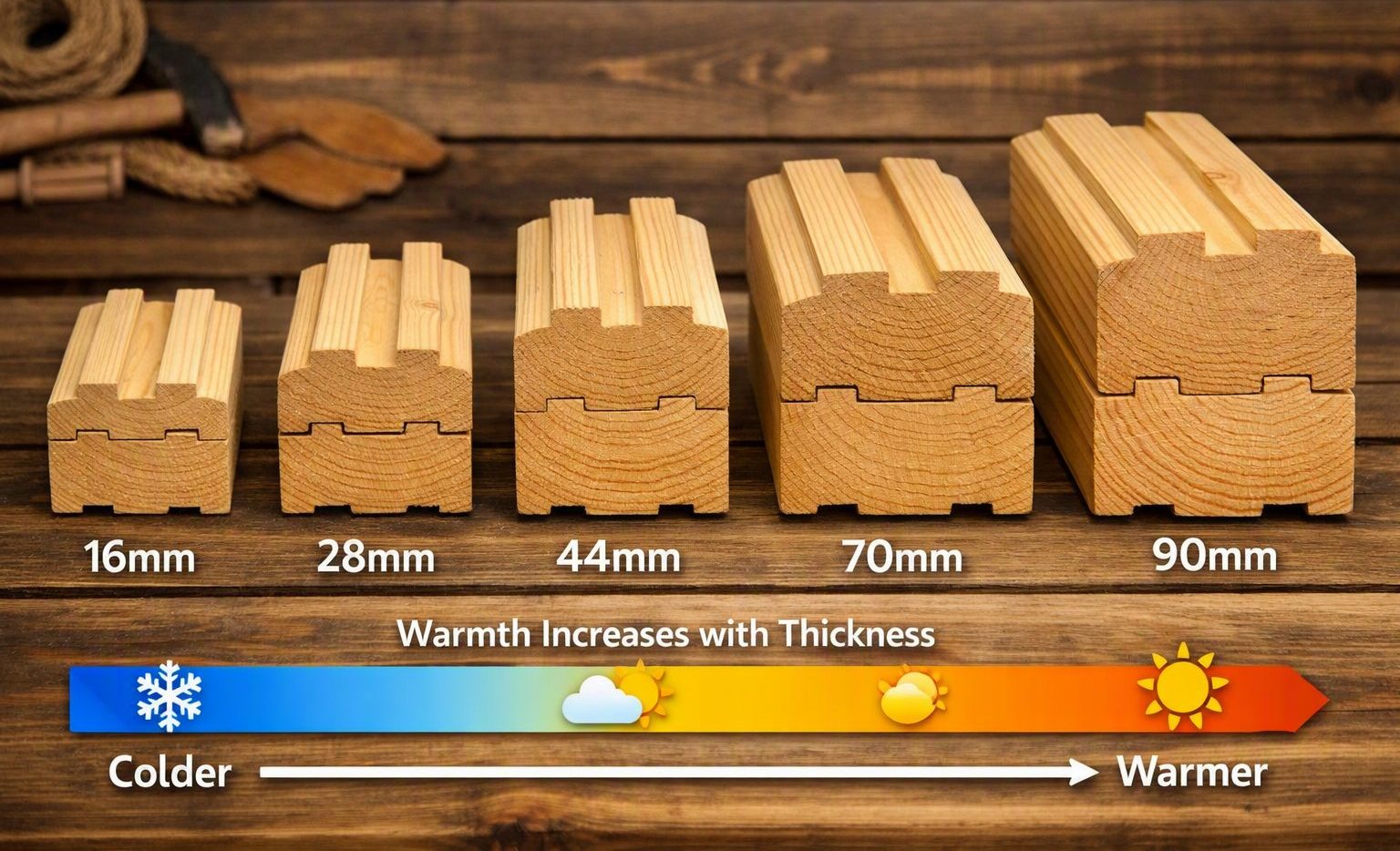
The thickness of the log walls plays a major role in winter performance. Our range includes:
Many of our models can be upgraded to thicker logs, allowing customers to tailor the building to their intended use. Moving from 28 mm to 44 mm or 70 mm dramatically improves thermal mass, reduces draughts, and creates a more stable internal climate.
Thicker logs aren’t just about insulation — they also improve structural stability. Laminated or engineered logs resist twisting and create tighter interlocking joints. This reduces air gaps, which are the main cause of heat loss in cheaper cabins.
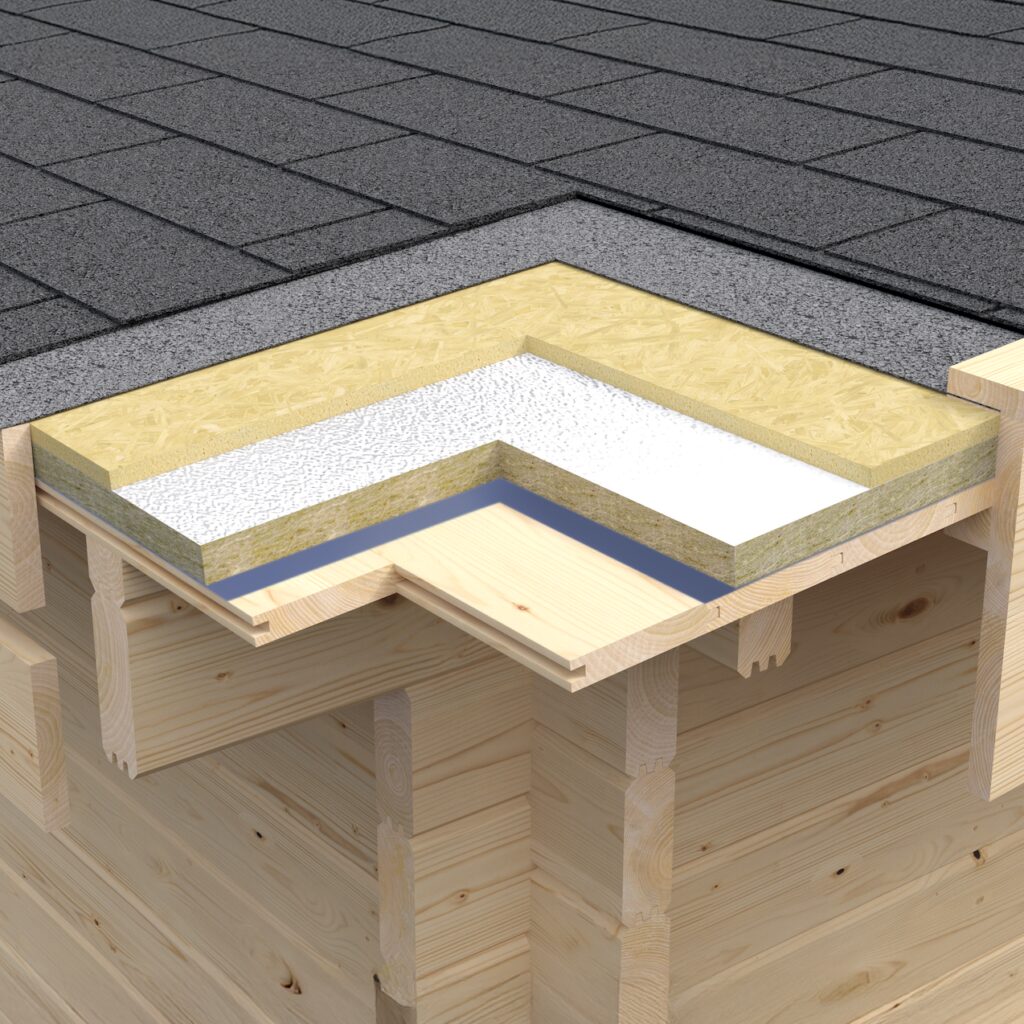
Heat escapes primarily through the roof and floor, so insulation here is essential. Winter‑ready cabins typically include:
When combined with thicker logs, these upgrades create a thermal envelope similar to a modern home.
Double or triple glazing prevents draughts and condensation. Many customers upgrading to thicker logs also choose to upgrade their doors and windows to uPVC or aluminium frames for improved winter performance.
A modern log cabin with thicker logs and proper insulation is warm, comfortable, and efficient throughout winter. Customers should always choose a winter-ready specification if they plan to use the building regularly in colder months.
Popular multiroom chalet – great as an office bar or garden accommodation
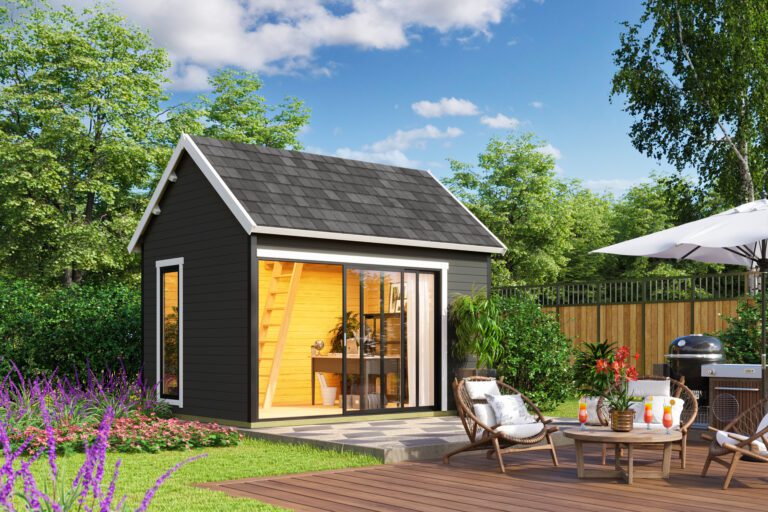
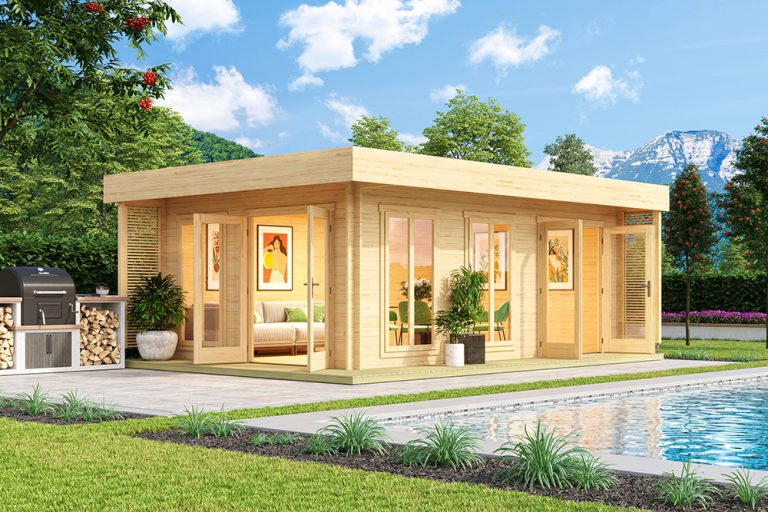
Modern Multi-Room Summerhouse with Loft Space and wide Bifold Doors
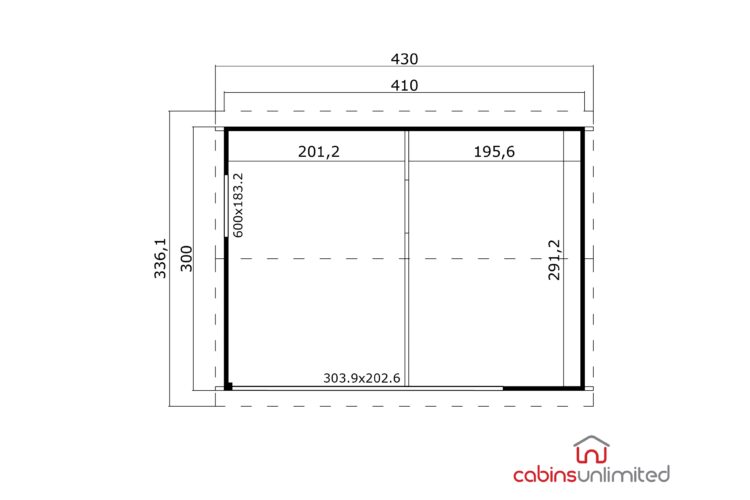
Spacious and Decorative Cabin, Sliding Aluminium Doors and Sleeping Loft Space.
Accommodation space for commercial or domestic uses
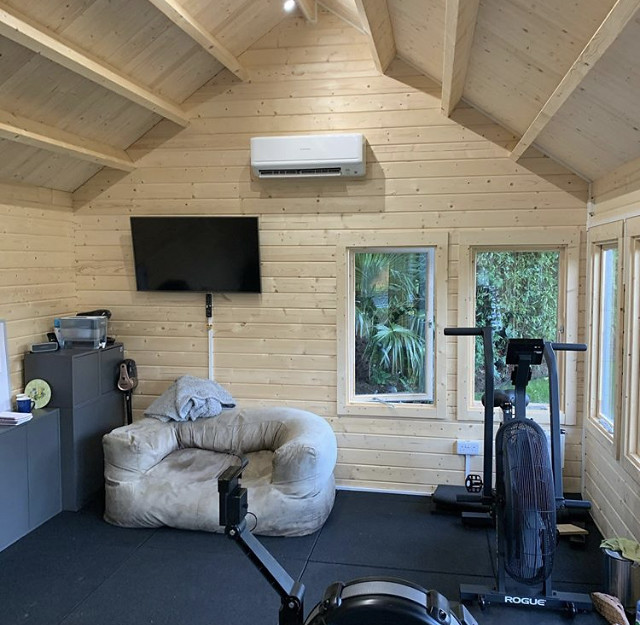
A wonderful games or leisure room
The ultimate entertaining area or leisure room.
Heating a garden room is easy when the building is built with the correct wall thickness and insulation. A 70 mm log cabin with insulated roof and floor requires surprisingly little energy to stay warm, while a 28 mm summerhouse will need more frequent heating and is best suited to milder weather.
Thicker logs retain heat for longer, meaning heating systems work more efficiently. For example:
Customers upgrading their cabin walls often find their heating costs drop significantly
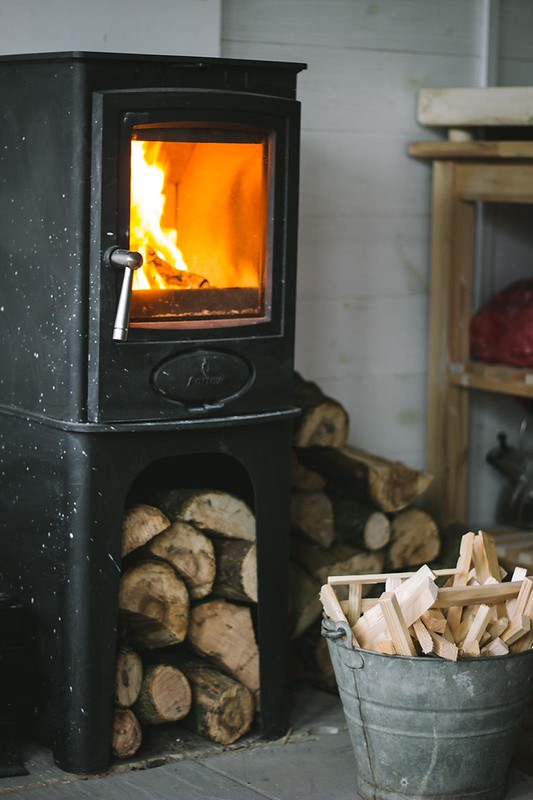
Panel heaters are ideal for insulated cabins. They heat the air quickly and maintain temperature efficiently. In thicker‑log cabins, they run less frequently because the building retains warmth better.
Infrared heaters warm people and objects directly. They’re excellent for studios, gyms, and workshops — especially in mid‑range log thicknesses where instant heat is beneficial.
Underfloor heating provides luxurious, even warmth. It’s perfect for offices and living spaces, particularly in 58 mm and 70 mm cabins where insulation levels support slow, steady heat retention.
Heat pumps are the most efficient option for year‑round use. They perform exceptionally well in thicker‑log cabins, maintaining warmth even in freezing temperatures.
The heating system you choose should match the cabin’s specification. Thicker logs and insulation reduce running costs and improve comfort, making winter use effortless.
Customers often ask whether a log cabin will be warm enough for winter use. The answer depends entirely on the specification — particularly the log thickness and insulation package. We would also recommend that your cabin is installed by a qualified and experienced Log Cabin Installer. Unlike many of the hundreds of online only timber building retailers Cabins Unlimited have our own employed and long serving team of summerhouse installers who will make sure your summerhouse is fit for year around use when purchased with our insulation kits. You can see a full list of our Recommended Optional Extras
Our range allows customers to choose the correct wall thickness for their needs:
Many models can be upgraded to thicker logs, giving customers flexibility. A cabin that starts as a summerhouse can often be specified as a winter‑ready building simply by selecting a thicker wall option.
Premium cabins use precision‑cut logs, tight interlocking joints, and multi‑point locking systems. Thicker logs improve the seal between each course, reducing draughts and improving energy efficiency.
Winter‑ready cabins include breathable membranes, trickle vents, and moisture‑resistant insulation layers. These prevent condensation and ensure the building stays healthy and dry.
Retailers should guide customers based on intended use:
A properly specified cabin — especially one upgraded to thicker logs — is warm, dry, and comfortable all year round. Customers should always choose a winter-ready specification if they plan to use the building regularly in colder months.
Multi‑Room Garden Lodge for Airbnb & Guest Accommodation
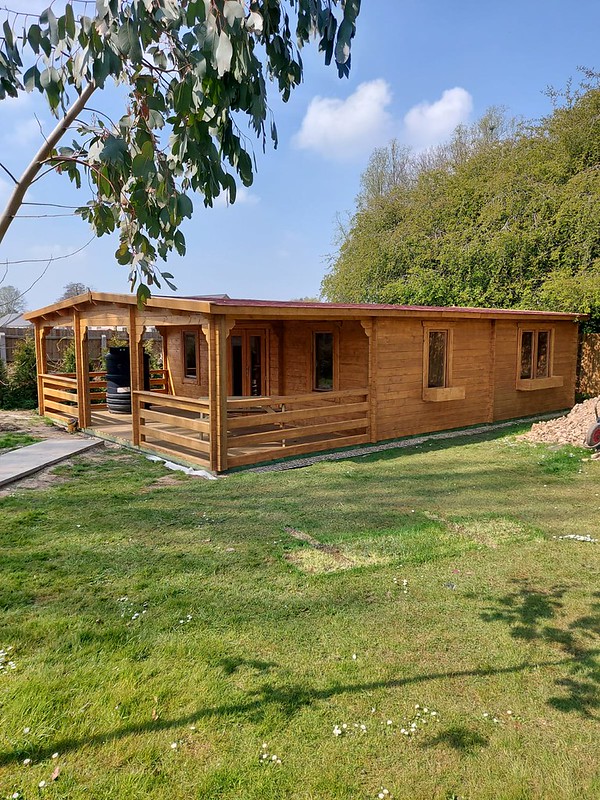
Like a holiday home with a small veranda and a bright inside
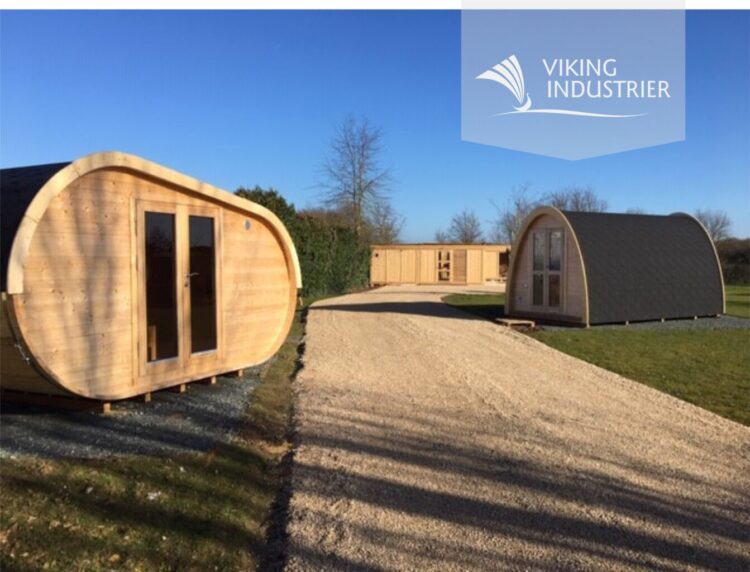
Modern and fun modern glamping pod
The ultimate off-grid space for rest and relaxation!
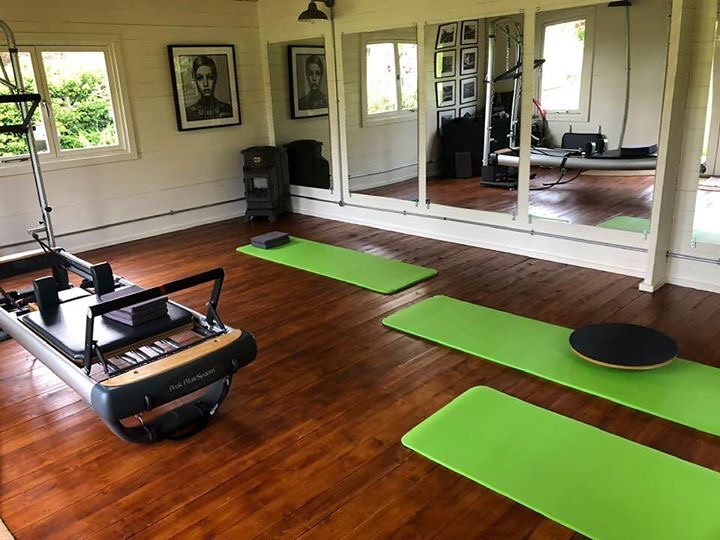
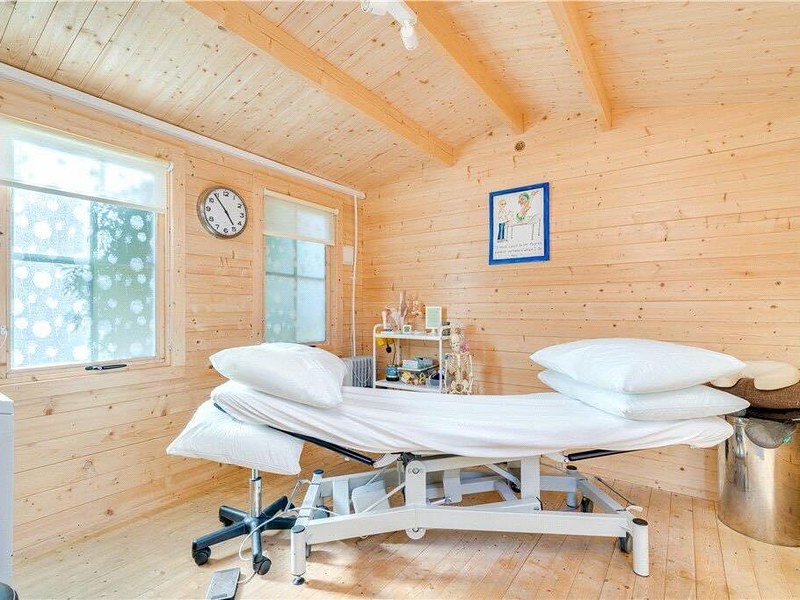
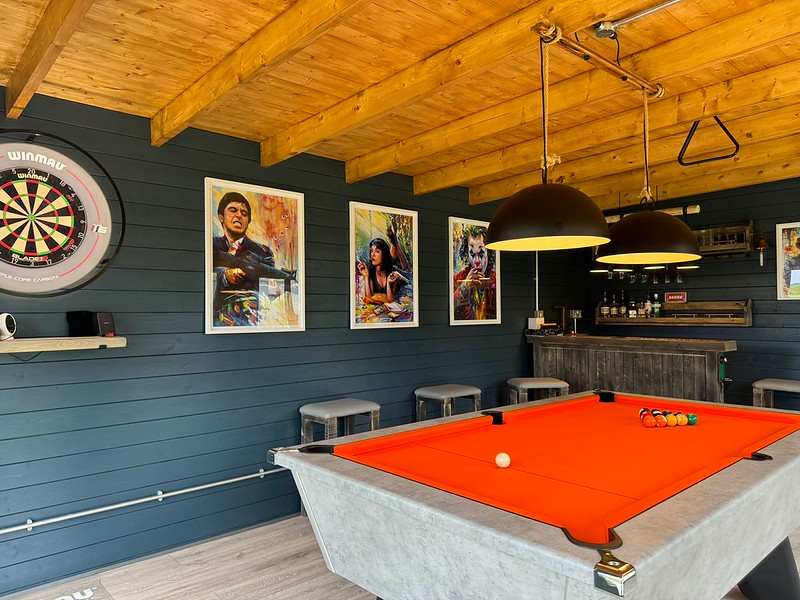
Visiting one of our display sites is one of the most effective ways to understand how warm and comfortable a modern log cabin can feel in winter. Photographs can show the design, but they can’t demonstrate how solid thicker interlocking logs feel, how well insulated roofs and floors perform, or how much difference high‑quality glazing makes. Stepping inside a fully built cabin lets you experience the natural warmth of timber, the stability of the structure, and the overall comfort you can expect whether you plan to use the building as a home office, gym, entertainment room, or even occasional accommodation.
Seeing cabins in person also helps you compare wall thicknesses — from lighter 28 mm summer-use models to 70 mm+ winter-ready designs — and understand how each specification affects warmth, energy efficiency, and year‑round usability. Many customers find that once they stand inside a thicker‑log cabin, they immediately appreciate the difference in heat retention and overall comfort.
If you already have a clear idea of the specification you need, browsing online is a great way to explore the full range. Our website includes insulated garden rooms, premium log cabins, hobby spaces, home gyms, garden offices, and multi‑use timber buildings designed for comfortable winter use. Each product page explains the wall thickness, insulation options, glazing type, and heating compatibility so you can easily compare models based on how warm you want the building to be.
Whether you’re planning a cosy entertainment room, a productive home office, a year‑round gym, or a multi‑purpose family space, we can help you choose a cabin that delivers reliable winter warmth and suits your garden, budget, and intended use.
Contact us today, visit a display site, or browse and order online — and start planning a garden building that stays warm, comfortable, and usable throughout the winter months.
Popular multiroom chalet – great as an office bar or garden accommodation
A large and stunning clockhouse cabin
A fantastic multi-room option for accommodation space in your garden
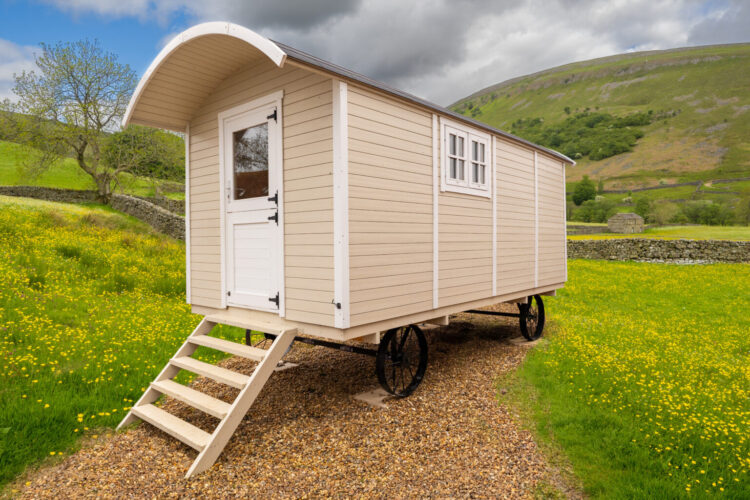
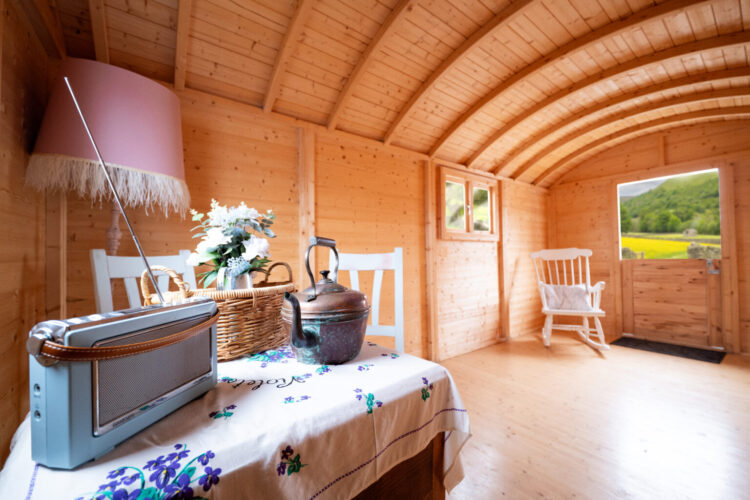
Create a unique garden retreat with a traditional shepherd’s hut.
Accommodation space for commercial or domestic uses