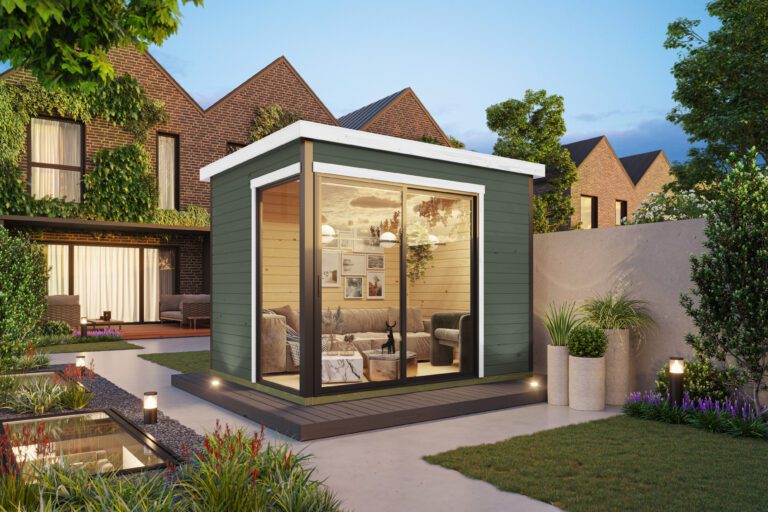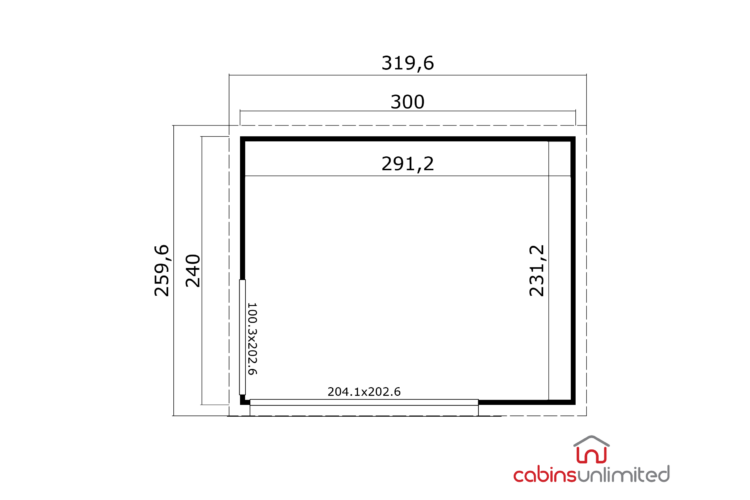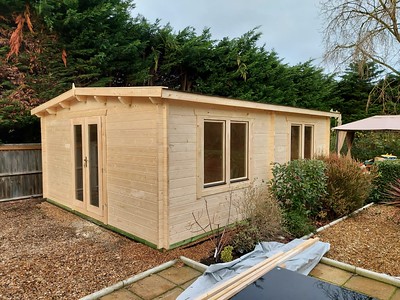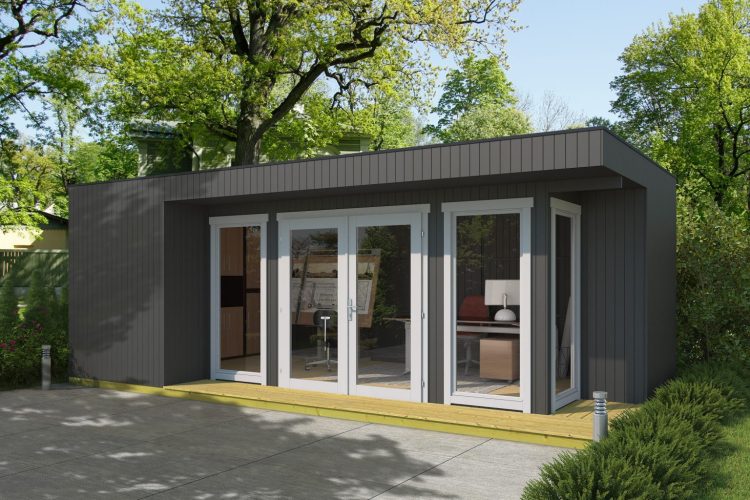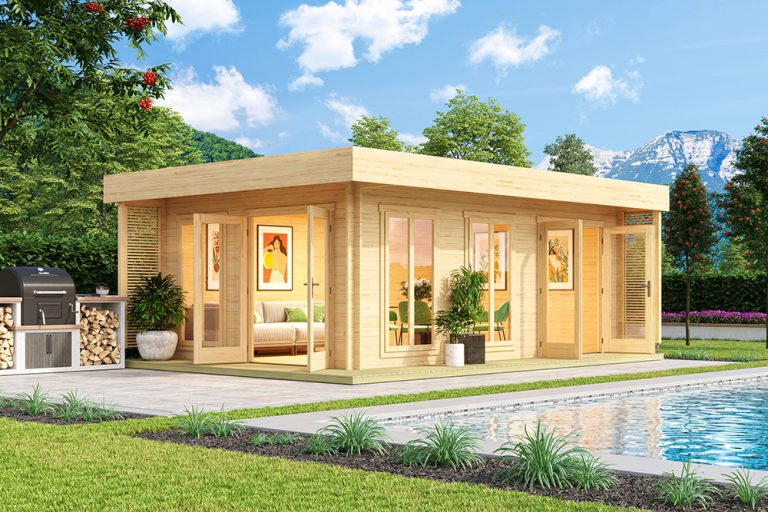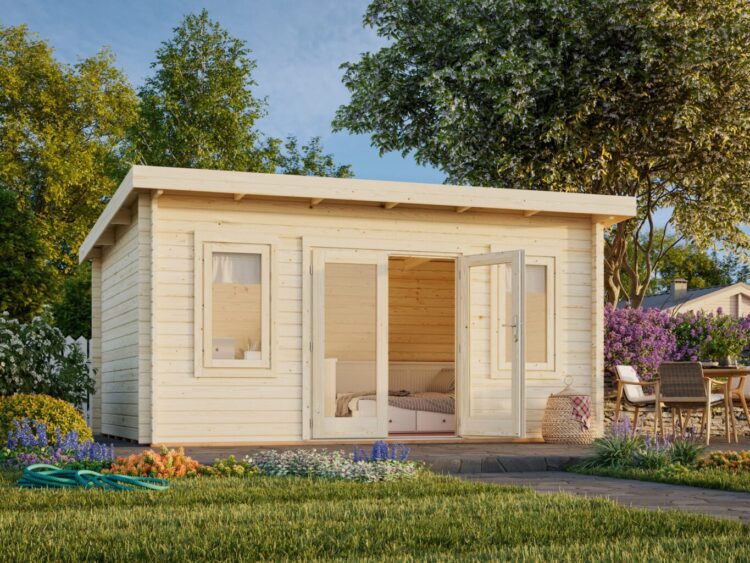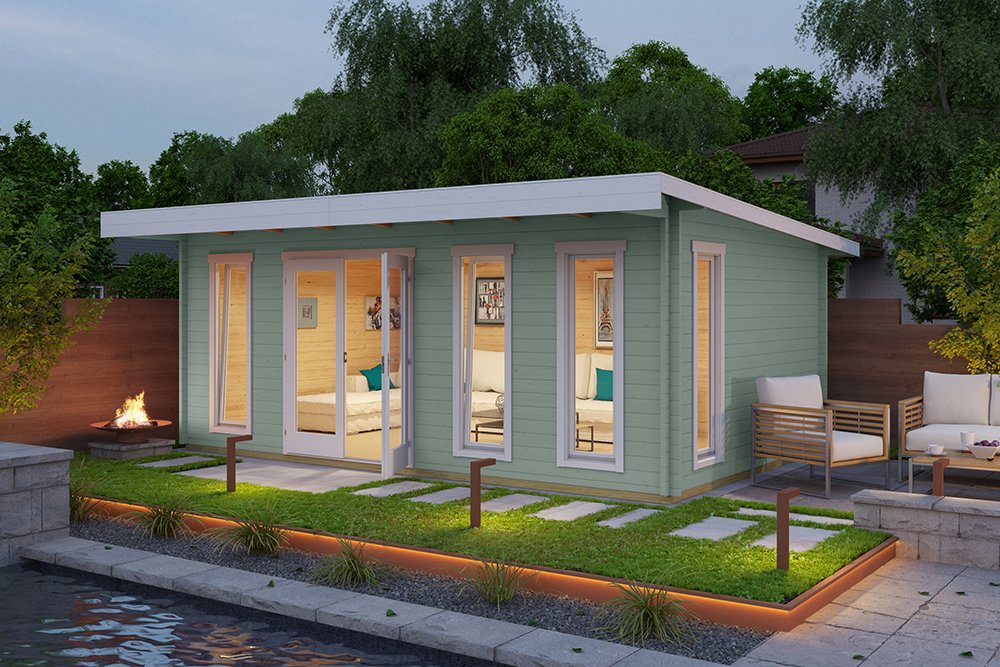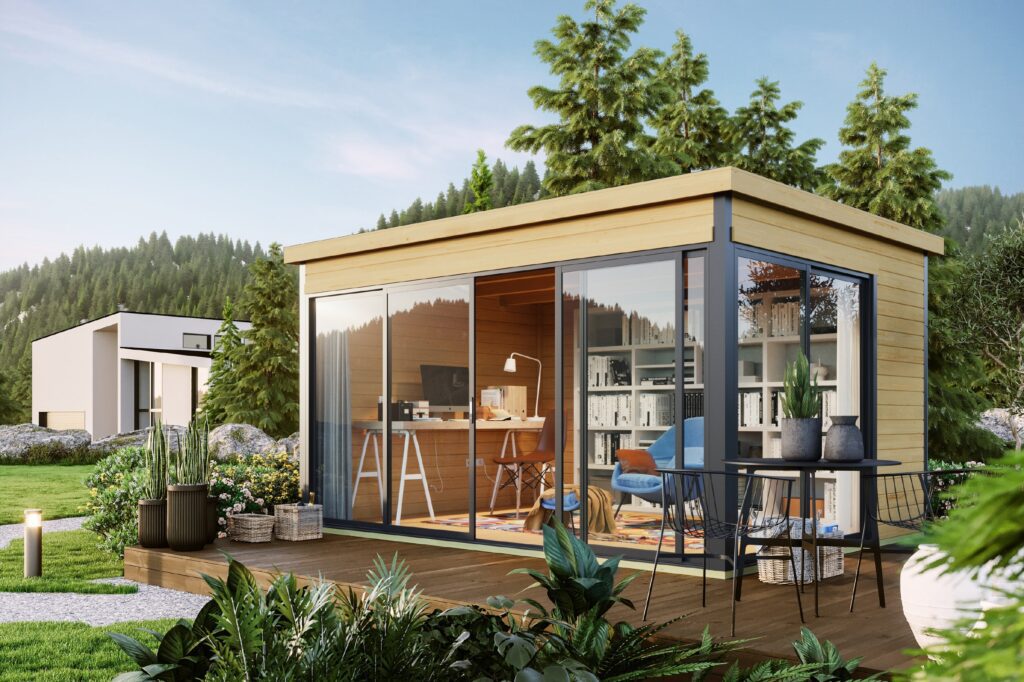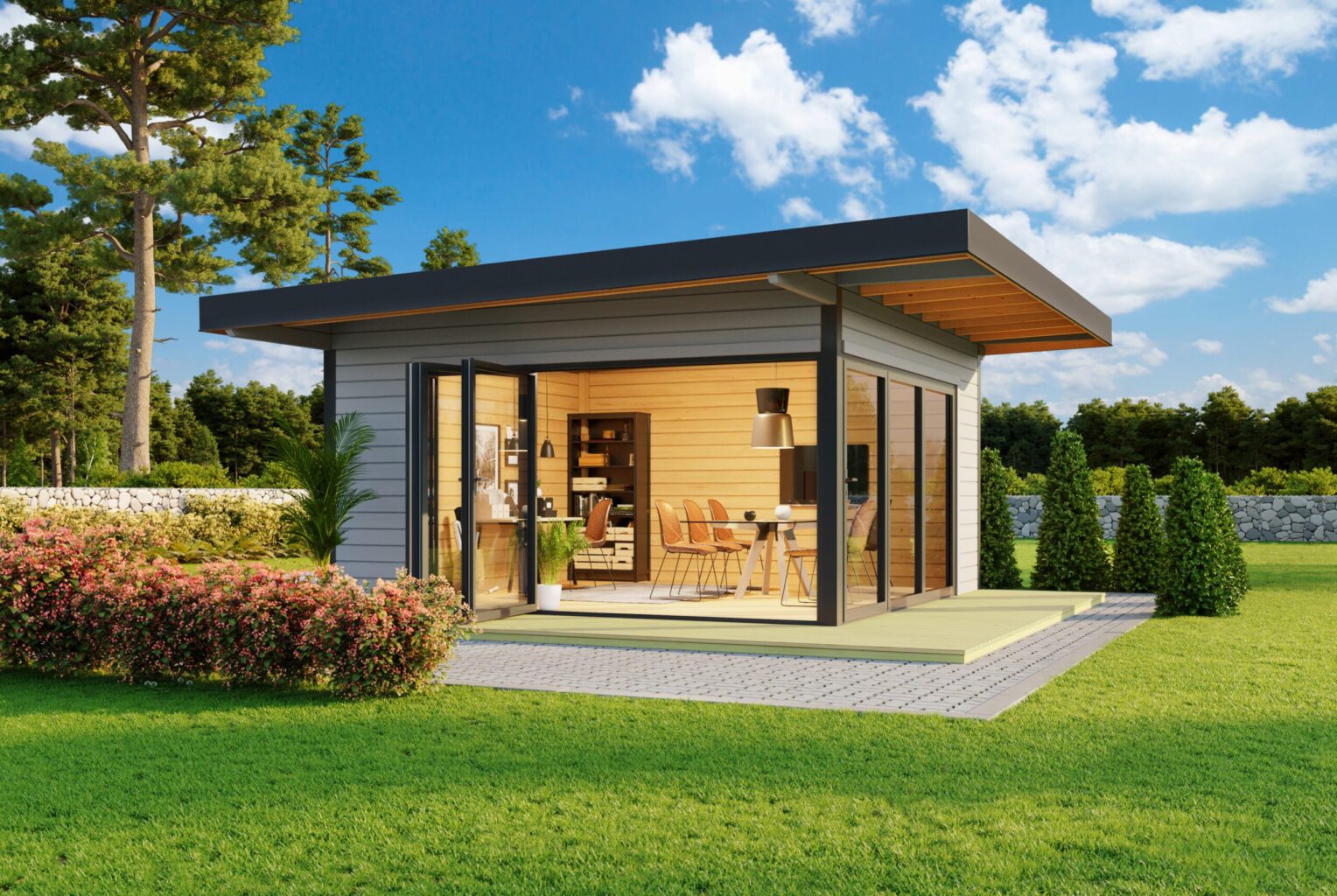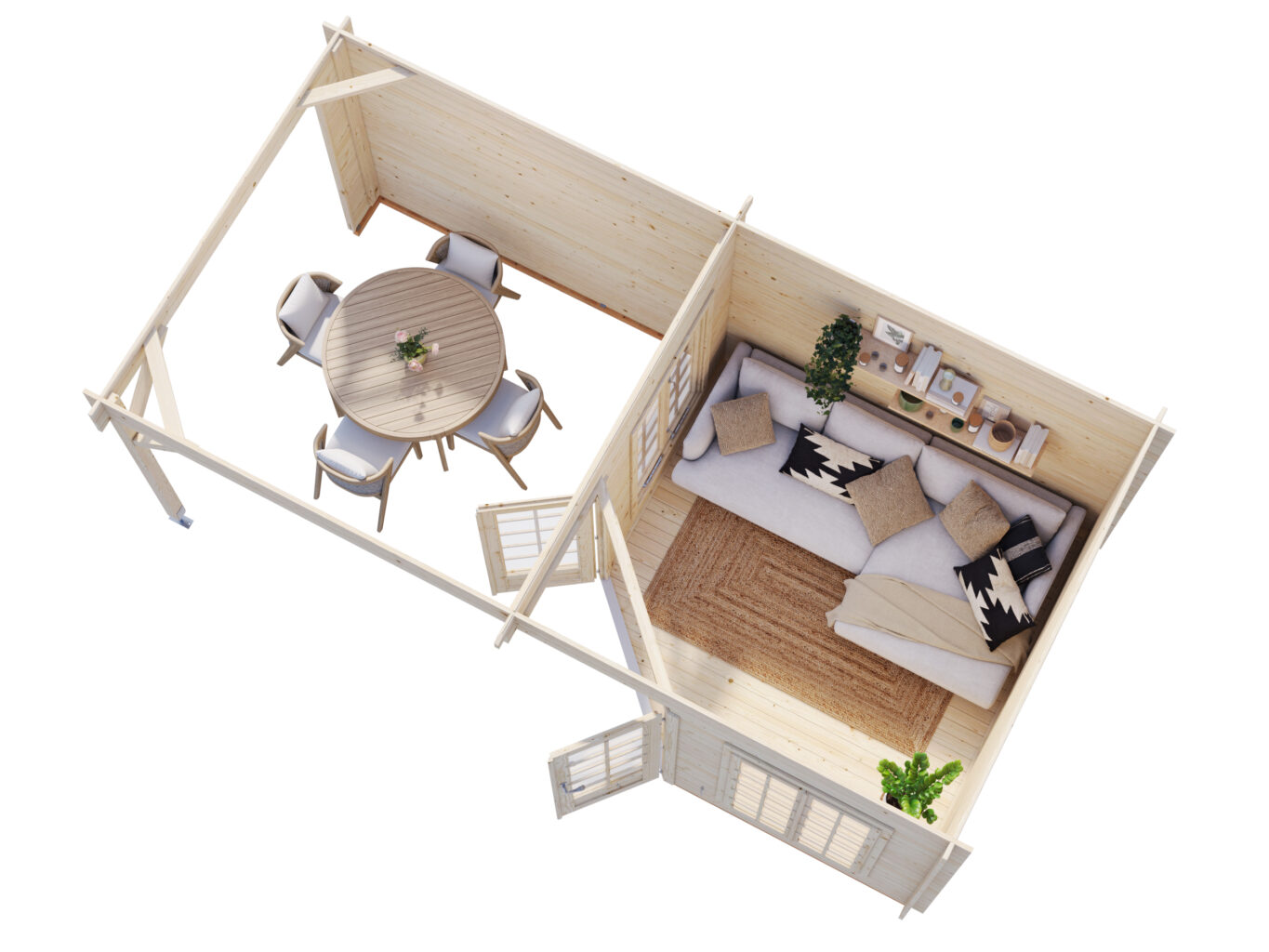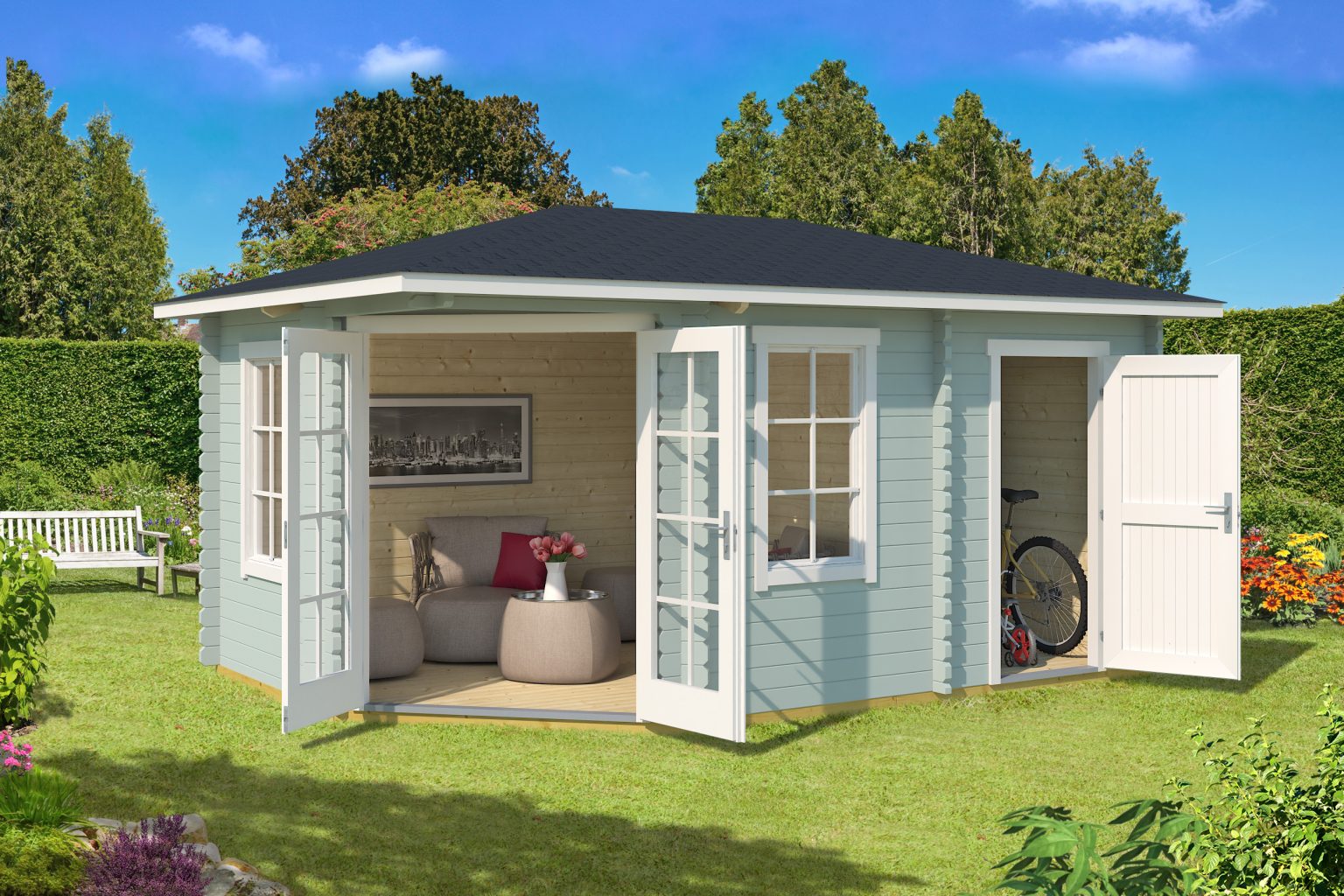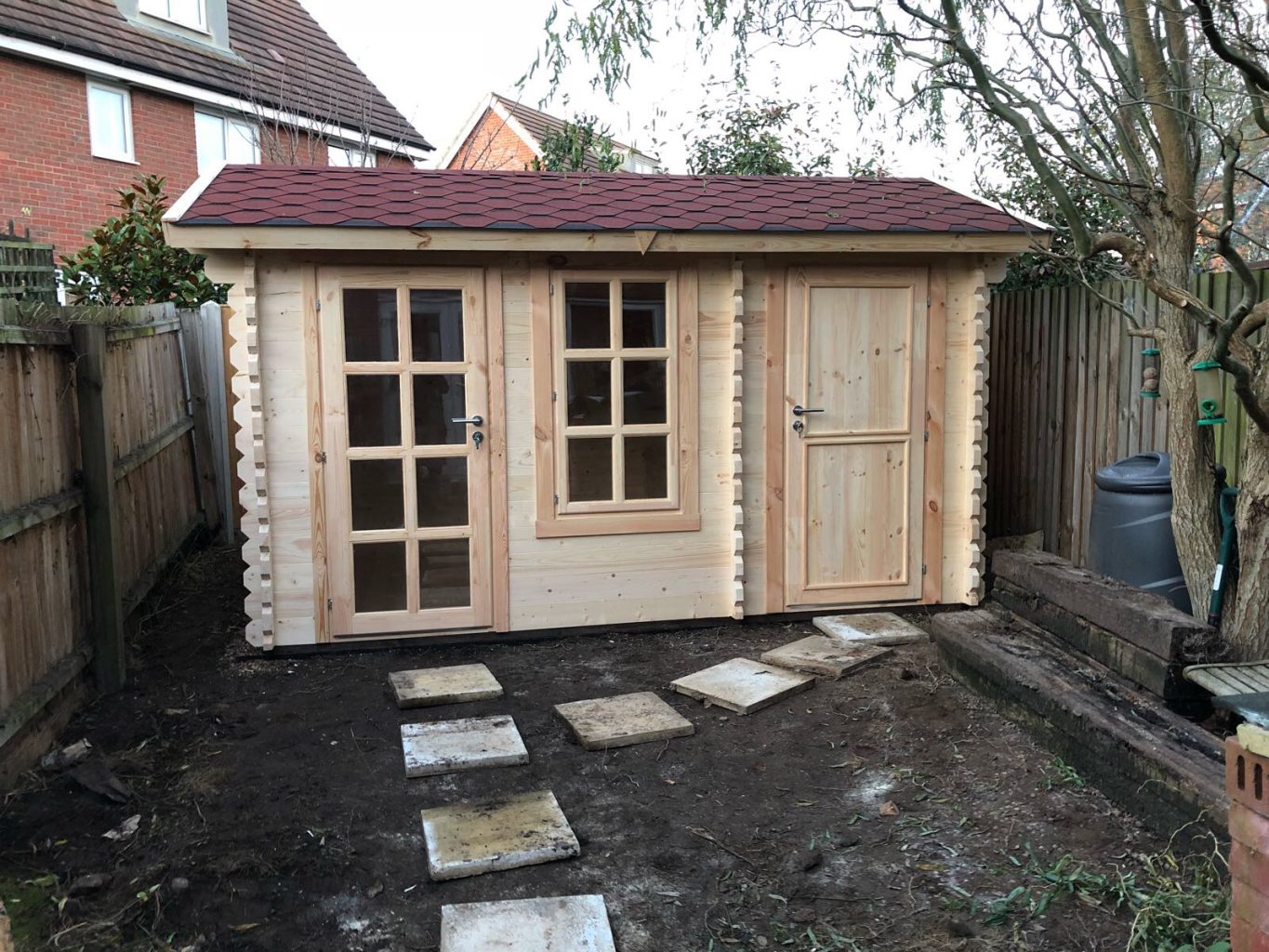
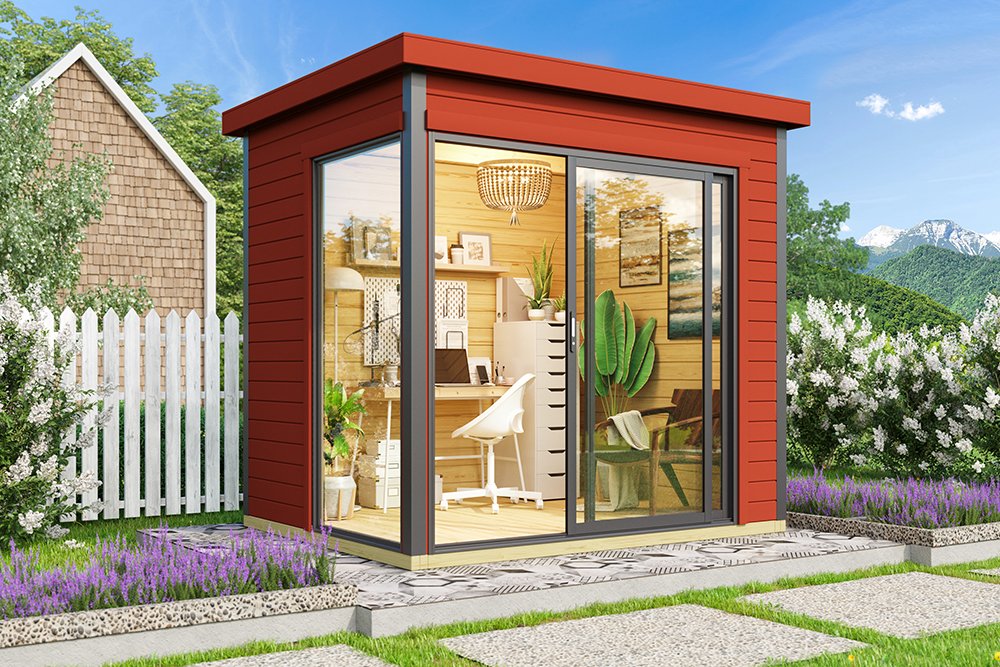
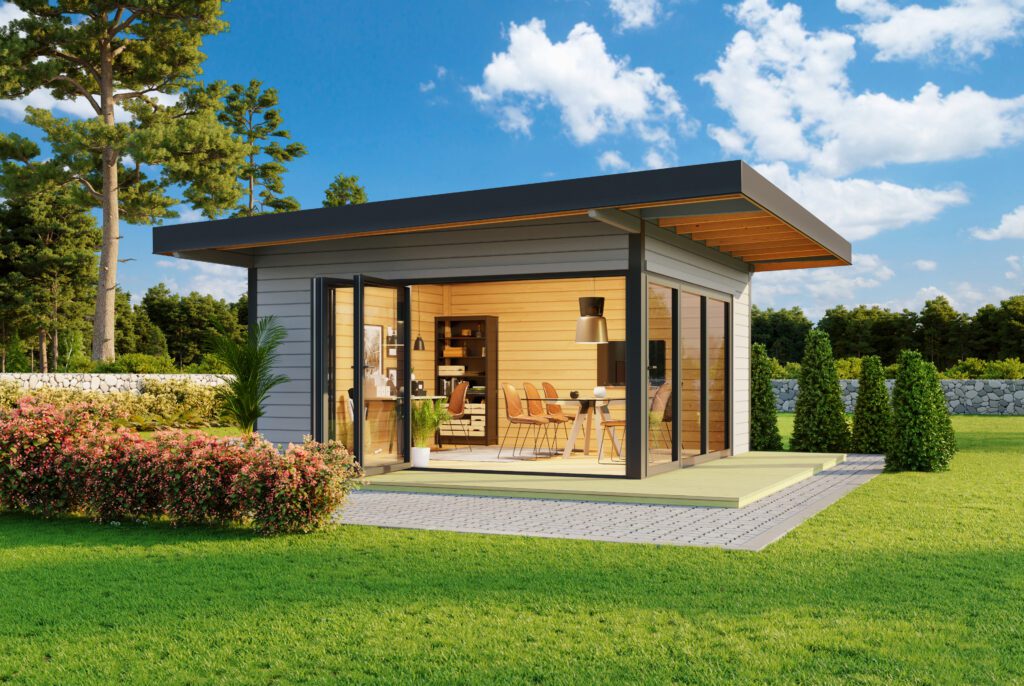
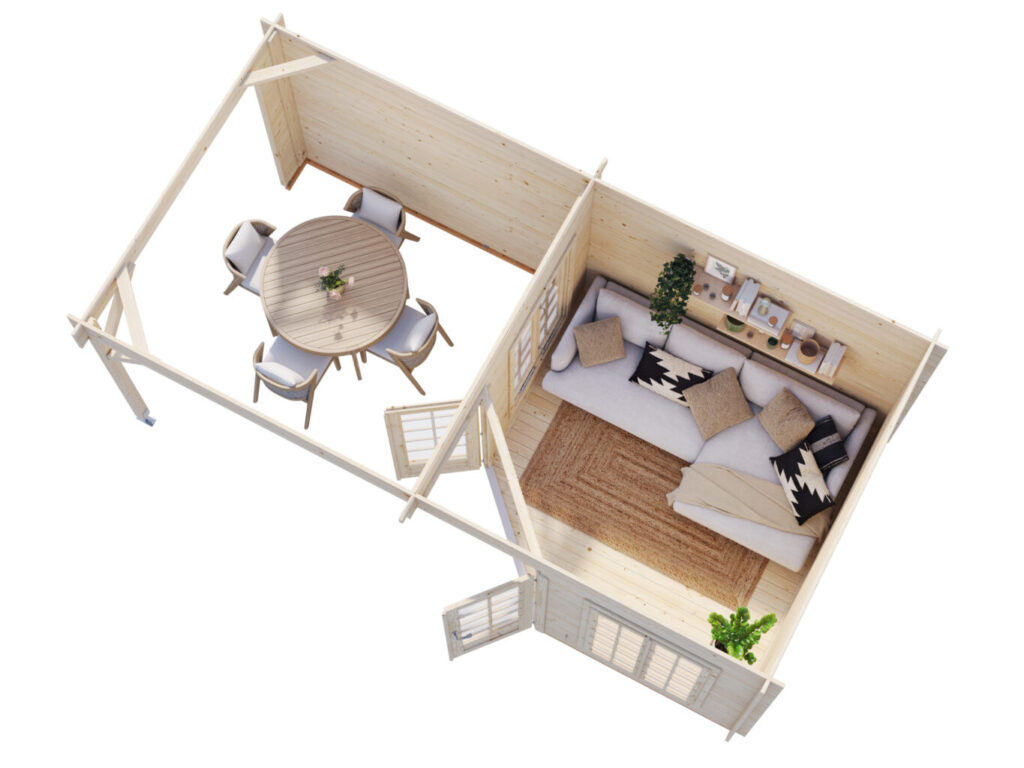
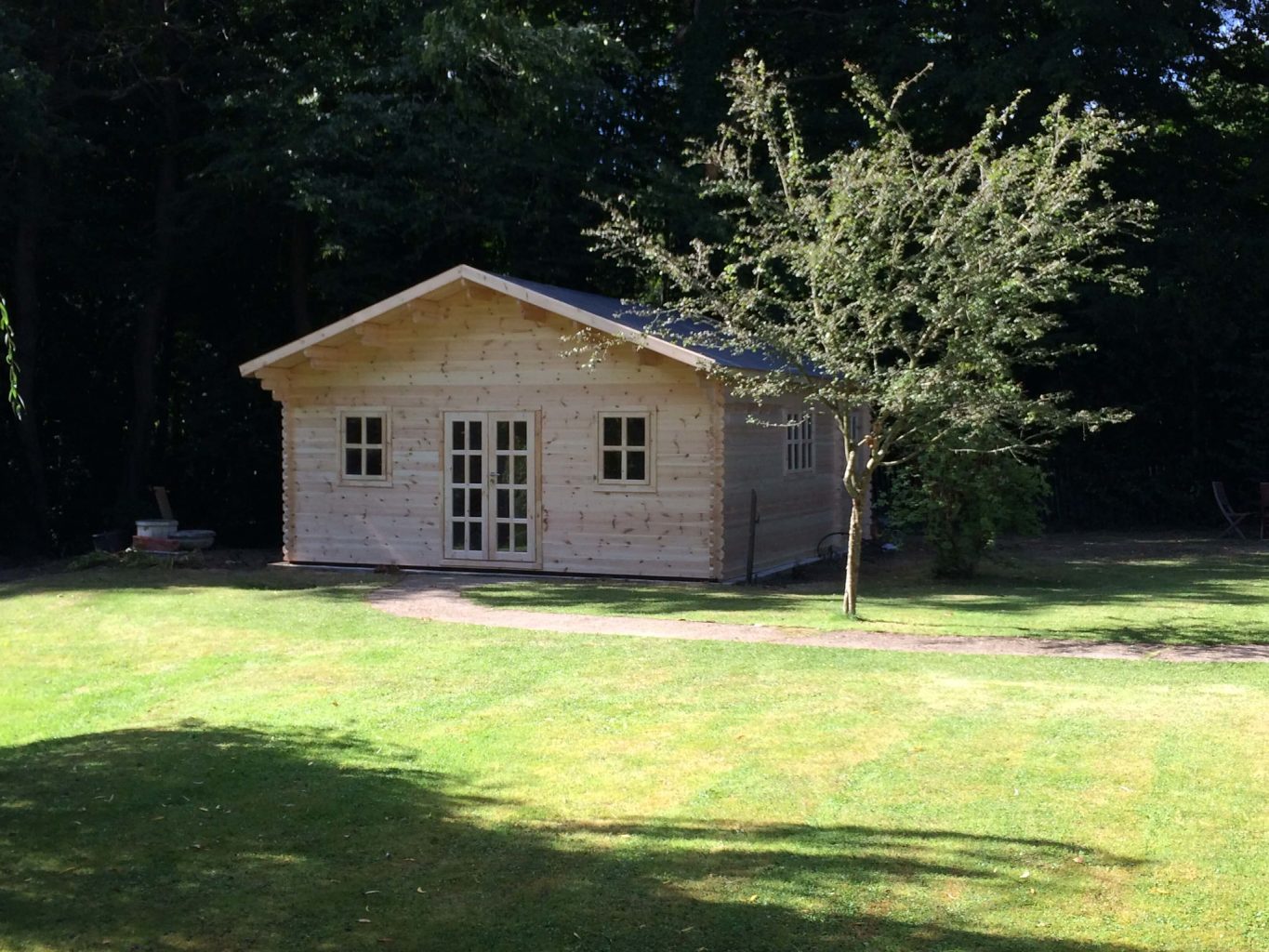
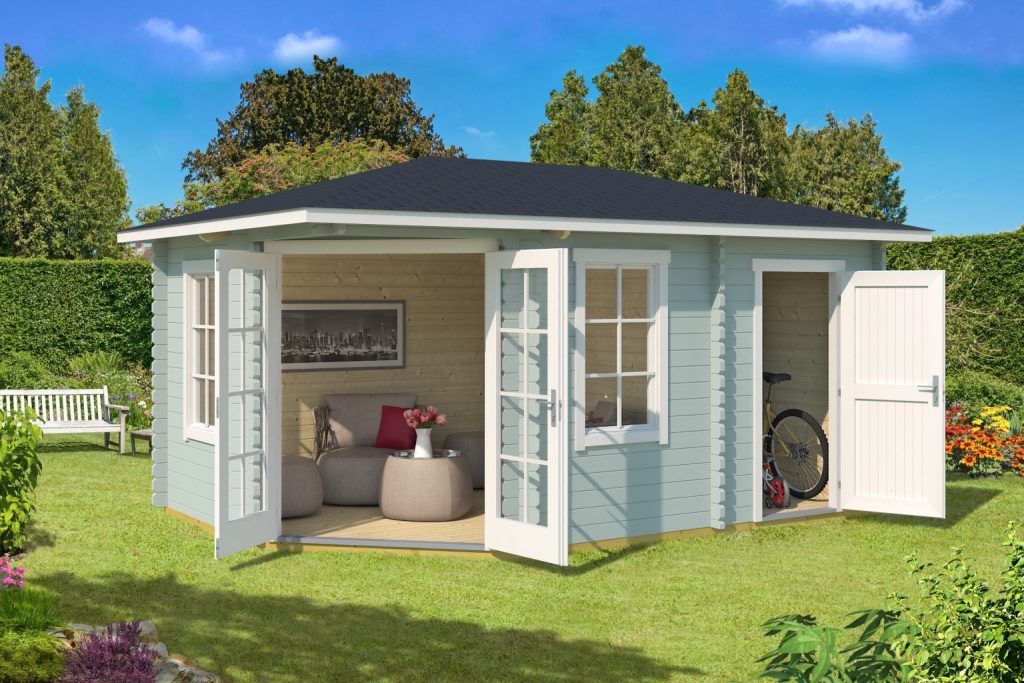
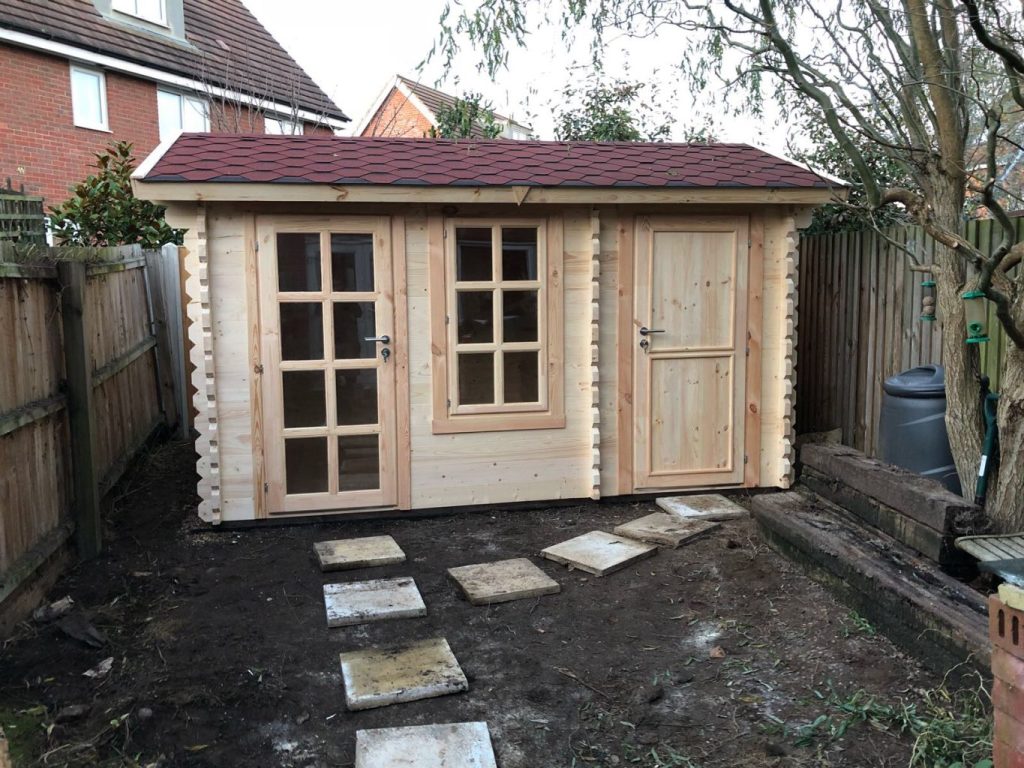


Barbados 3 Pent Roof Garden Room 4.0m x 3.1m
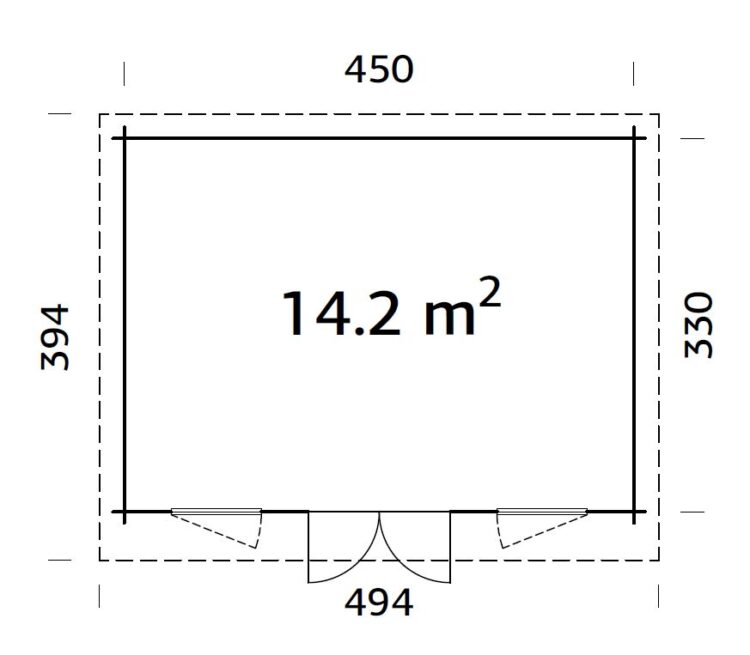
3.99m x 3.09m, Height: Under 2.5m, Wall Thickness: 44mm
Our Best Selling pent roof summerhouse!
From £3,525
Was £3,720 | Save £195
Pay just £500 deposit to secure – Call Us
Choosing the right log cabin size depends on your garden space, intended use, furniture, access, base requirements and long-term plans. This guide helps you compare compact cabins, medium garden rooms and larger timber buildings so you can choose a log cabin that feels comfortable, practical and well-proportioned in your garden.
Buying a log cabin for your garden is exciting, but one of the first questions customers ask is also one of the most important: what size do I actually need?
It can be tempting to start with a building you like the look of and then see where it might fit. But the best results usually come from thinking about the garden, the purpose of the cabin and the way the space will feel once it is furnished. A log cabin that looks generous on paper can feel tight once you add a desk, sofa, storage, gym equipment or hobby materials. Equally, a building that is too large for the garden can dominate the outdoor space and make everything feel less balanced.
The right size log cabin should feel comfortable inside and natural outside. It should give you enough room to enjoy the space properly, while still leaving the garden feeling like a garden.
Whether you are planning a garden office, summerhouse, home gym, hobby room, guest space, garden bar, playroom or multi-purpose family cabin, size matters. It affects comfort, usability, cost, basework, delivery, installation, maintenance and sometimes planning considerations too.
At Cabins Unlimited, we help customers compare different log cabin sizes, wall thicknesses, layouts and styles every day. Some people need a compact cabin that fits neatly into a corner. Others want a generous timber building that can be used all year round. Many are somewhere in the middle, looking for enough room to be comfortable without overcommitting space or budget.
This guide will help you think through the decision clearly, so you can choose a log cabin that works beautifully for your garden and your lifestyle.
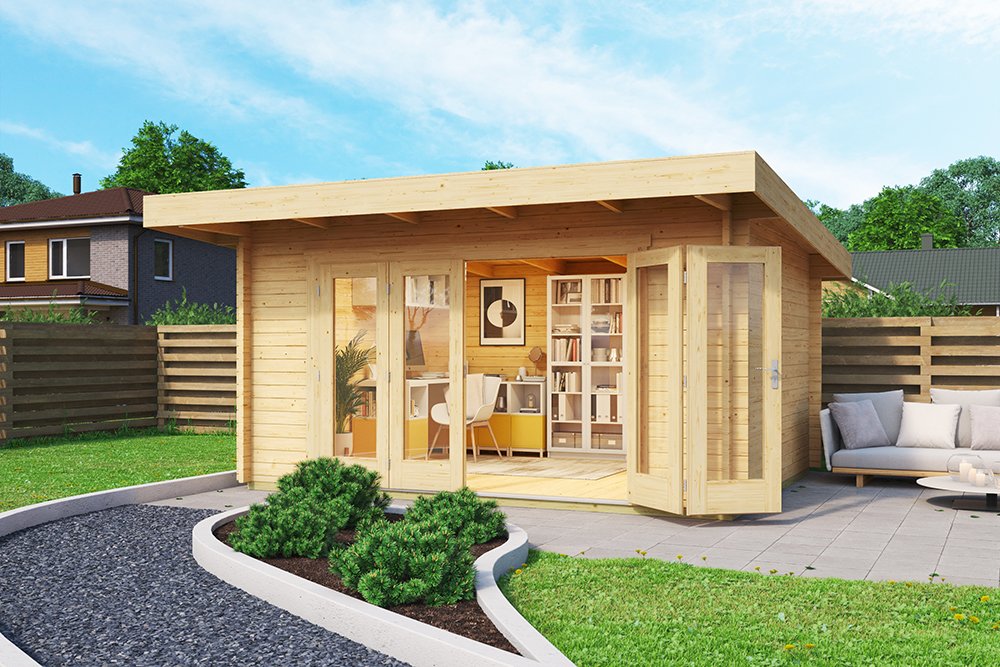
Before measuring the garden or comparing product pages, start with the reason you want the building.
A log cabin used for occasional summer relaxation has very different requirements from a full-time insulated garden office. A children’s playroom needs different space from a home gym. A craft room needs storage, table space and good light. A garden bar needs seating and room to move around. A guest space may need more careful planning around comfort, heating and privacy.
A compact cabin can be perfect for:
A medium-sized log cabin may be better for:
A larger timber building may be worth considering for:
The more specific you can be, the easier the decision becomes. Instead of asking “what size log cabin should I buy?”, ask “what do I need to fit inside, and how do I want to use the room?”
That shift makes everything clearer.
Once you know the intended use, measure the available space carefully. Do not rely on memory or a rough estimate. Gardens can be deceptive, especially where boundaries, planting, slopes, patios and existing structures affect the usable area.
Use a tape measure and mark out the potential footprint with string, canes, spray marker, garden hose or temporary objects. Walk around it. Stand inside the marked area. Look back at it from the house. Check how it affects pathways, lawn space, planting and views.
When measuring, remember to allow for more than just the building itself. You may need space for:
A log cabin placed too tightly against a fence, hedge or wall can become difficult to treat, maintain or repair. Timber buildings need airflow and access around them where possible. Leaving practical space around the building helps protect your investment and makes future maintenance far easier.
It is also worth thinking about how the building will look from the house. A cabin that technically fits may still feel too large if it blocks the main view of the garden. On the other hand, a carefully positioned building can create a beautiful focal point, especially with planting, lighting and landscaping around it.
If your garden has an awkward shape, a corner cabin or bespoke timber building may be worth considering. Sometimes the right shape is just as important as the right size.
One of the most common mistakes when choosing a log cabin is forgetting the furniture.
A customer might see a 3m x 3m cabin and think it sounds spacious. But once you add a desk, chair, shelves, heater, storage unit and space to move around, the room feels very different. The same applies to sofas, gym machines, crafting tables, children’s toys or garden bar furniture.
Before choosing your cabin size, make a simple furniture list. You do not need a perfect interior design plan, but you should know the basics.
A useful trick is to measure the furniture you already own or plan to buy, then mark it out inside your taped garden footprint. This quickly shows whether the cabin size is realistic.
If in doubt, go slightly larger than the absolute minimum. A little extra floor space can make the building far more comfortable, especially if you will use it regularly.
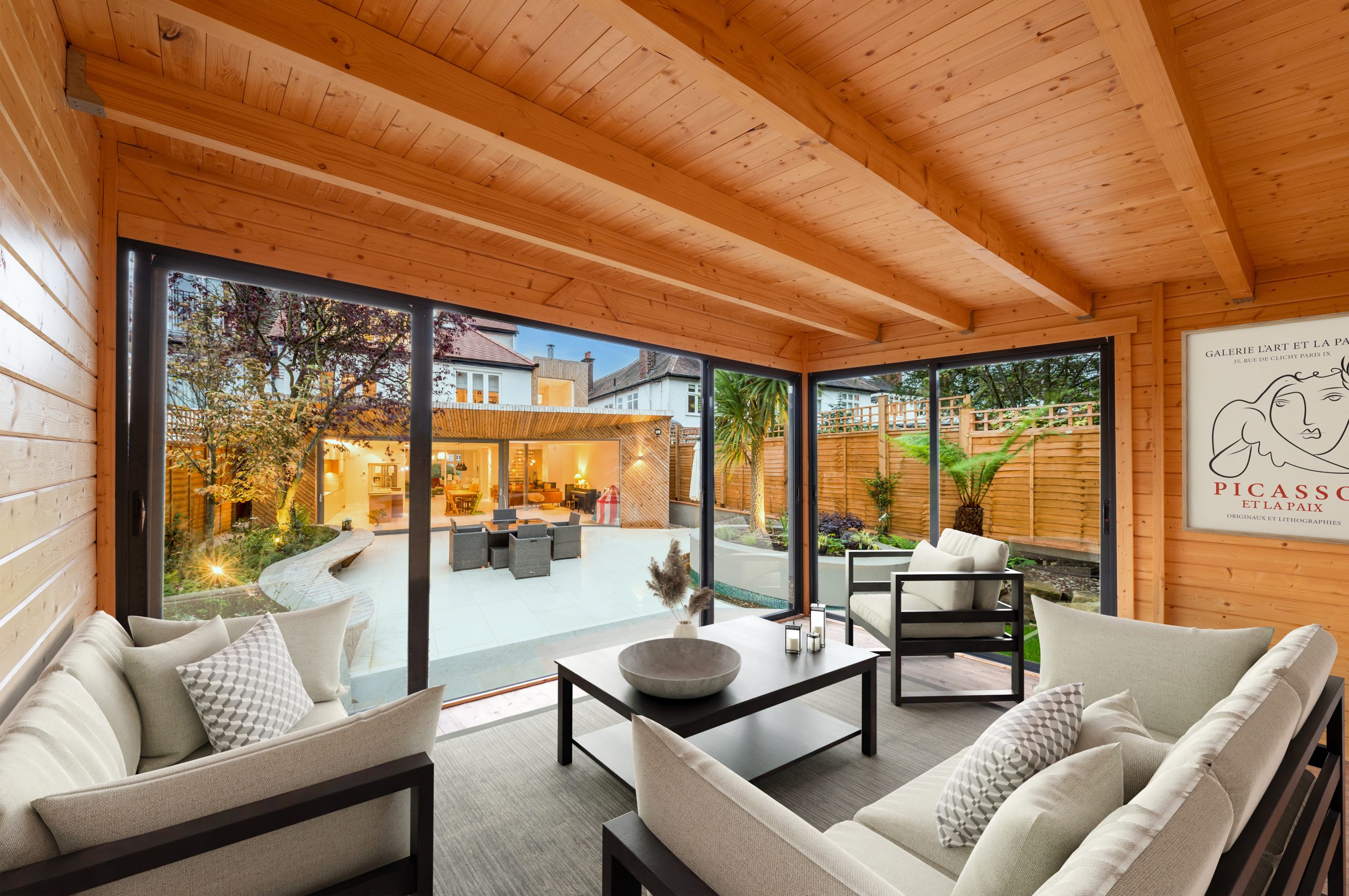
For a garden office, consider:
For a hobby room, remember:
For a summerhouse or relaxation room, think about:
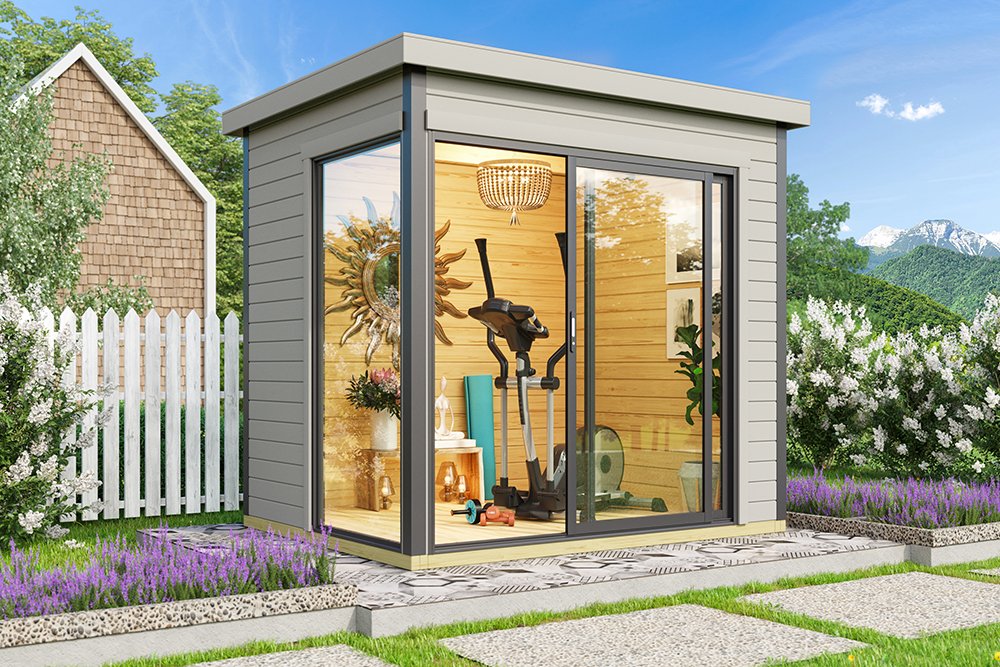
For a home gym, allow for:
Some garden buildings become popular because they are big, bold and packed with space. Others become favourites because they solve a very real problem beautifully. The Oban Corner Summerhouse falls firmly into the second category.
Not every garden has room for a large log cabin, garden office or multi-room timber building. Many customers want something more compact: a quiet place to sit, a bright corner for reading, a small summerhouse for morning coffee, or a stylish garden retreat that does not take over the lawn. The Oban does exactly that.
With its neat 2.4m x 2.4m footprint, elegant hipped roof and light-filled interior, the Oban makes excellent use of garden corners and smaller outdoor spaces. It feels charming rather than imposing, practical rather than oversized, and decorative without losing its everyday usefulness. It is easy to see why it has become such a regular favourite with Cabins Unlimited customers. The Oban is listed as a 2.4m x 2.4m compact corner summerhouse with a ridge height under 2.5m, 40mm wall thickness, double glazing, double doors and two premium full-height tilt-and-turn windows.
For many homeowners, the appeal is simple: the Oban gives you the feeling of having a proper timber garden building, but in a size that works for real gardens, real budgets and real family life
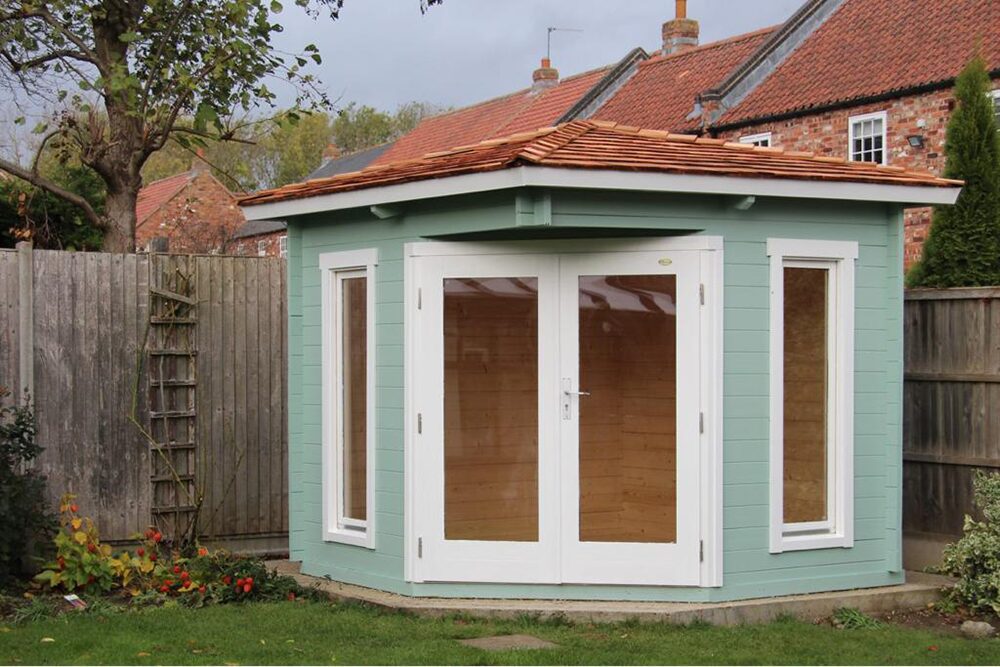
Our Best Selling pent roof summerhouse!
Thicker 70mm Logs to maximise the warmth
Some garden buildings become popular because they offer a perfect balance of style, space and everyday practicality. The Barbados 3 Pent Roof Summerhouse is a great example of a timber building that does exactly that.
Not every customer wants a traditional cabin, and not every garden suits a decorative summerhouse with a more classic shape. Many homeowners are looking for something clean, modern and versatile: a building that can work as a garden office, a hobby room, a peaceful retreat or an extra space for the family. The Barbados 3 fits that brief beautifully.
With its practical 3m x 4m footprint, contemporary pent roof and bright, welcoming design, the Barbados 3 gives you a generous amount of usable space without feeling too large for a typical garden. It has enough room for a desk setup, comfortable seating, storage or a creative workspace, while still keeping a neat and modern appearance from the outside. Its simple shape makes it easy to position, easy to furnish and easy to imagine as part of everyday life.
For many homeowners, the appeal is straightforward: the Barbados 3 feels like a proper garden room, not just a summerhouse. It gives you useful extra space for work, rest or hobbies, with the natural warmth of timber and a modern look that suits a wide range of gardens. That combination of flexibility, style and sensible size is why it continues to be such a popular choice with Cabins Unlimited customers.
A compact log cabin can make a big difference in a small garden. It can give you a private retreat, a tidy hobby room or a peaceful place to sit without taking over the outdoor space.
Smaller timber buildings are particularly useful where the garden already has patios, sheds, children’s play equipment, planting or narrow side access. They can also be a good choice if you want to keep plenty of lawn or entertaining space.
Compact cabins work well for simple, focused uses. A small reading room, occasional office, art corner, children’s play cabin or relaxed summerhouse does not necessarily need a large footprint. In fact, a smaller building can feel cosier and easier to furnish.
The key is to be realistic. If you want the cabin for quiet reading, a small armchair, lamp and side table may be all you need. If you want a full home office with desk, chair, storage, printer and two monitors, a very small cabin may feel restrictive.
Corner cabins can be especially helpful in compact gardens because they make use of areas that might otherwise be wasted. A building such as the Oban Corner Summerhouse can create a charming retreat in a relatively modest footprint, while still giving the garden a proper feature.
When considering a compact log cabin, pay close attention to door placement and window layout. A building with good glazing can feel more spacious than its measurements suggest. Double doors can also make the room feel more open in warmer weather.
Compact does not have to mean compromised. It simply means every part of the space needs to work hard.
Perfect Relaxation Space for a Smaller Garden
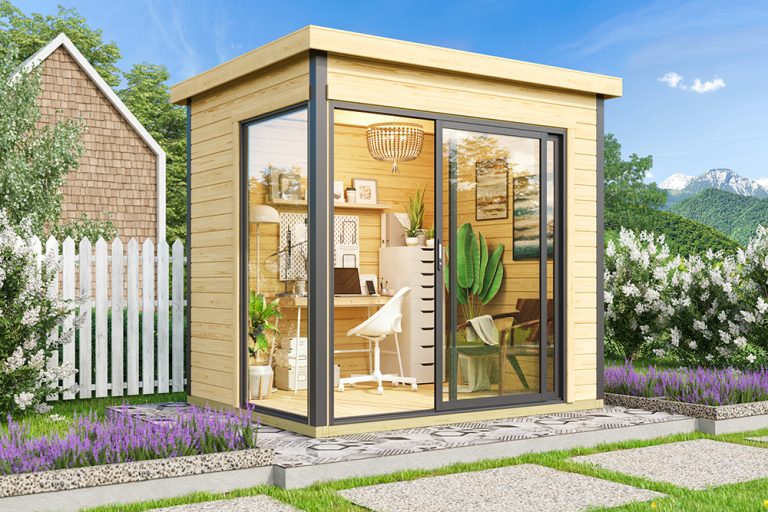
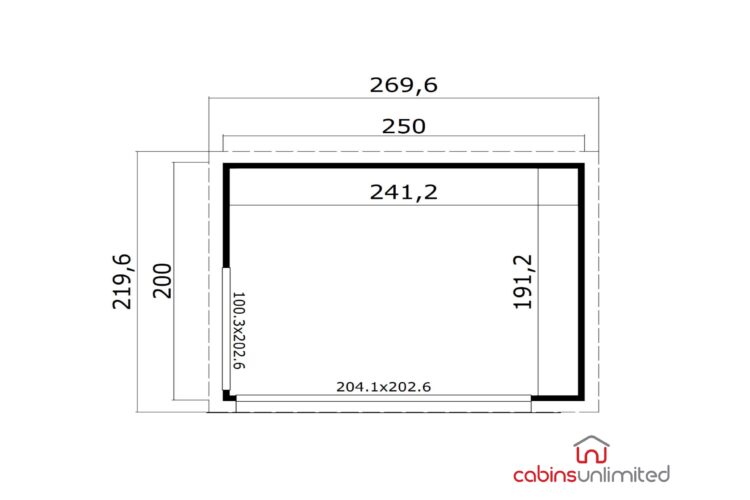
Our little baby office pod
Small but spacious and so relaxing!
Our smallest log cabin in the standard range
44mm Log Cabin
The same as the Austin 4 but with an additional side window
A touch of elegance in your garden
A lot of space for a corner model!
For many customers, a medium-sized log cabin is the sweet spot.
It offers enough room to feel comfortable, but it is not so large that it dominates the garden. This makes it suitable for a wide range of uses, from garden offices and hobby rooms to small gyms, teen dens, playrooms and garden bars.
A medium-sized cabin often gives you enough space for proper furniture rather than miniature versions of everything. You can have a desk and storage. Or a sofa and coffee table. Or a craft bench and shelves. Or gym equipment with space to move.
This is where many customers start to see the building as an extra room rather than just an outdoor shelter. With the right specification, insulation and finish, a medium log cabin can become a space you use throughout the year.
If you are choosing a medium cabin, think about whether it may need to serve more than one purpose. You might want a home office now, but could it also work as a guest room, music room or relaxation space later? A slightly more generous size can give you that flexibility.
Popular features to consider in medium log cabins include:
A cabin in this category can still be very efficient, but it gives you more freedom to create a comfortable room rather than simply fitting the basics.
A larger log cabin can completely change how a garden is used. Instead of adding a small retreat, you are creating a substantial extra space that can serve the whole household.
Large cabins are often chosen for:
The biggest advantage is flexibility. A larger cabin can be divided into zones or rooms, depending on the model. You might have an office area at one end and a seating area at the other. You might create a studio with separate storage. You might choose a multi-room cabin for work, guests or leisure.
However, a large cabin needs careful planning. It must suit the scale of the garden, not just your wish list. If the building takes up too much space, you may lose the very garden setting that makes it appealing.
Before choosing a large log cabin, consider:
Large timber buildings can offer excellent long-term value, but they should be chosen thoughtfully. The right model can feel like a beautiful garden room. The wrong one can feel too dominant.
If your aim is a more substantial living, work or leisure space, it is worth visiting a display site and walking inside different sizes before deciding.
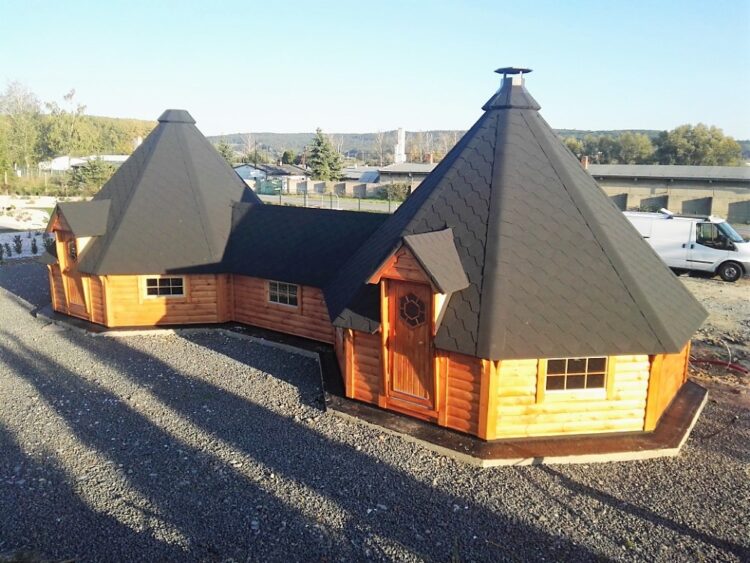
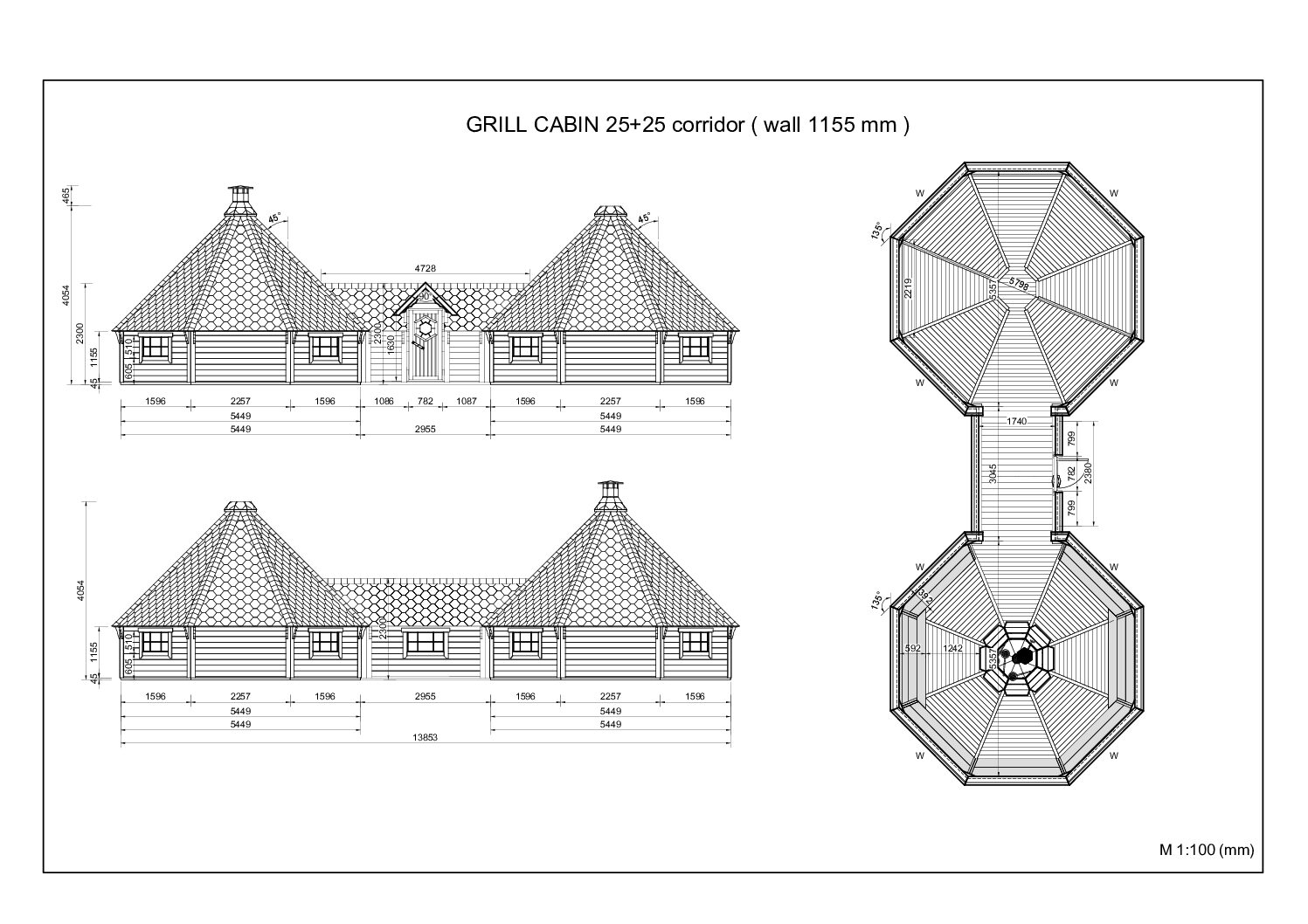
Popular multiroom chalet – great as an office bar or garden accommodation
Luxury corner door design to maximise light and space!
The ultimate off-grid space for rest and relaxation!
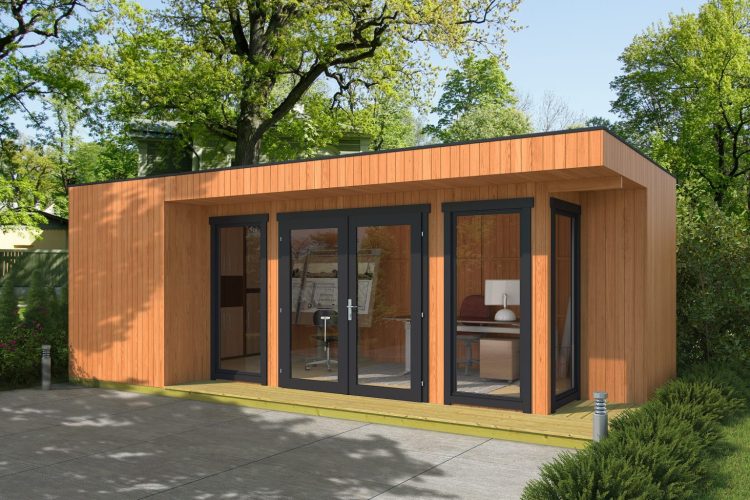
Stylish outdoor workspace with bright contemporary design
When choosing the right size log cabin, you also need to think about height, position and planning rules.
Many garden buildings fall under permitted development, but there are limits and exceptions. Rules can depend on where the building is placed, how tall it is, how much of the garden it occupies and whether your property is in a restricted area such as a conservation area or within the grounds of a listed building.
A common consideration is the 2.5m height limit for buildings placed within 2m of a boundary. Many garden cabins are designed with this in mind, but you should always check the exact product height and your own property circumstances before ordering.
You should also remember that the stated building height may not include the base, ground preparation or roof covering. If height is critical, measure everything carefully and seek advice if needed.
For most domestic garden offices, summerhouses and hobby cabins, planning permission may not be required, but it is always the customer’s responsibility to check. If the cabin will be used for sleeping accommodation, business use with visitors, or anything outside normal domestic garden use, extra checks may be needed.
Choosing the right size is not only about comfort. It is also about making sure the building can be placed sensibly and legally within your garden.
The base is one of the most important parts of any log cabin project. A timber building needs a level, stable and suitable foundation. If the base is wrong, the doors, windows and structure may not perform as they should.
The size of the building will affect the type and cost of the base. A compact cabin may need a relatively simple prepared base. A larger building may require more substantial groundwork. Access, drainage and ground conditions will also matter.
Common base considerations include:
A base should not be treated as an afterthought or something to “make do” with. It is part of the building’s performance.
If you are unsure, speak to the Cabins Unlimited team before ordering. Getting the base right at the beginning helps protect the cabin and makes installation much smoother.
It is natural to think about budget when choosing a cabin size. Larger buildings usually cost more, and they may also increase the cost of basework, delivery, roofing, insulation, treatment and installation.
But the cheapest workable option is not always the best value.
A cabin that is too small may not be used as often as expected. If it feels cramped, awkward or uncomfortable, it may become an expensive storage space rather than the garden room you imagined. On the other hand, a cabin that is larger than necessary may take up garden space and stretch the budget without adding much extra benefit.
The best value comes from choosing a size that genuinely supports the way you will use the building.
Ask yourself:
Sometimes the right answer is a compact cabin. Sometimes it is a mid-sized garden office. Sometimes it is worth investing in a larger multi-purpose timber building.
The goal is not to buy the biggest cabin you can fit. The goal is to choose the building that makes the garden more useful, more enjoyable and more valuable to you.

Choosing the right log cabin size is about more than fitting a building into the garden. It is about creating a space that feels useful, comfortable and enjoyable for years to come.
Start with the purpose. Measure properly. Think about furniture. Allow room for maintenance and access. Consider planning rules, basework and long-term use. Then compare products that match both the garden and the way you want to live.
A compact cabin can be perfect for a quiet retreat. A medium-sized cabin may give you the best everyday flexibility. A larger log cabin can create a substantial extra room for family, work or leisure.
If you are not sure which size is right, visit one of our display sites or speak to the Cabins Unlimited team. We can help you compare models, understand specifications and choose a timber building that feels right from the first day it arrives.
A wonderful games or leisure room
A perfect office or hobby space
A smaller summerhouse to relax, or a cosy garden office.
Big brother to The Hampshire with beautiful porch entrance
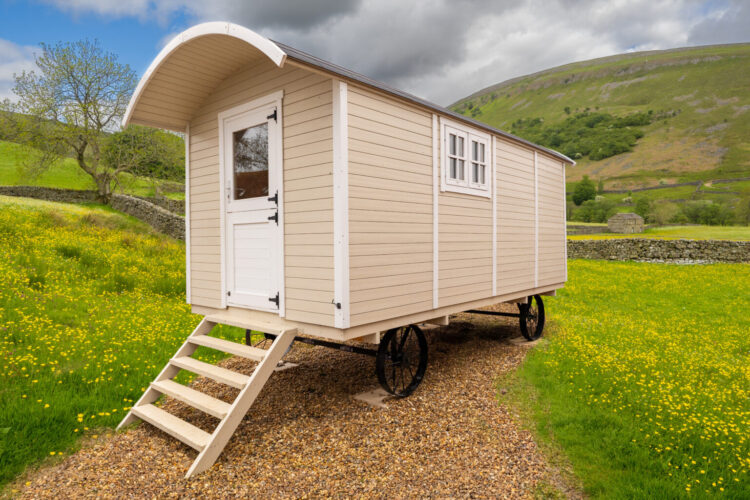
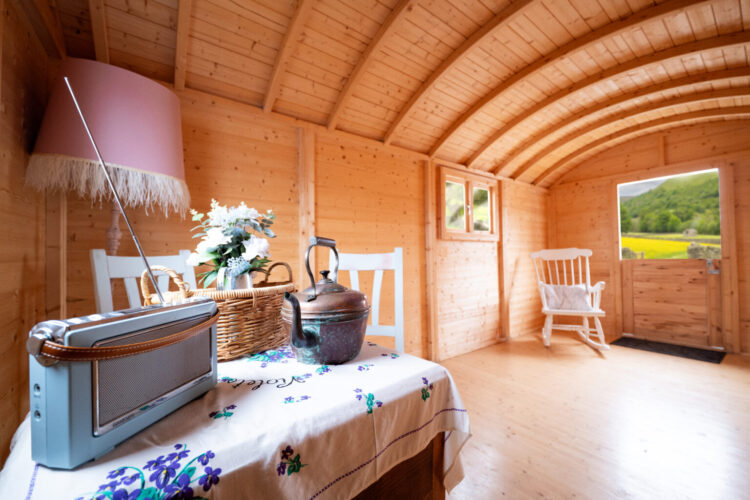
Create a unique garden retreat with a traditional shepherd’s hut.