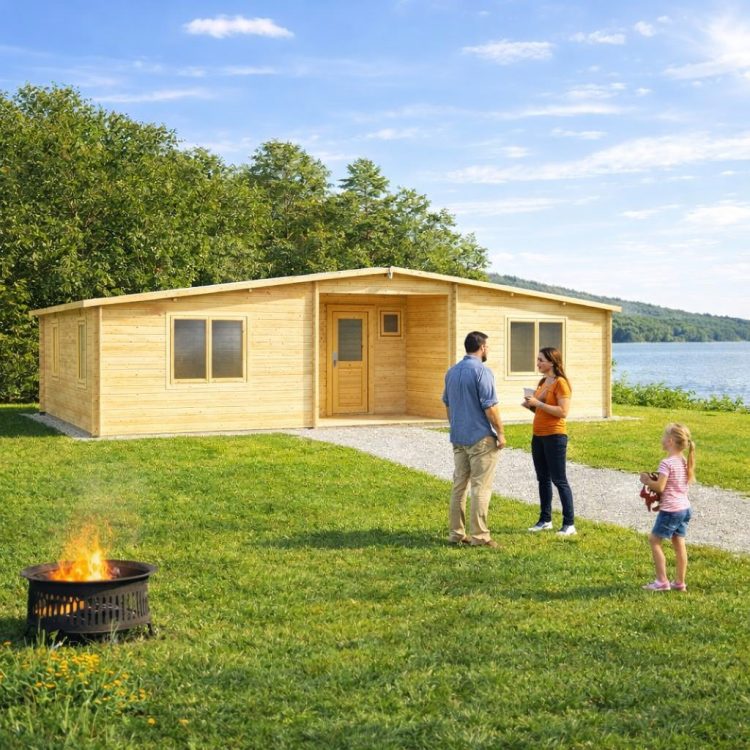
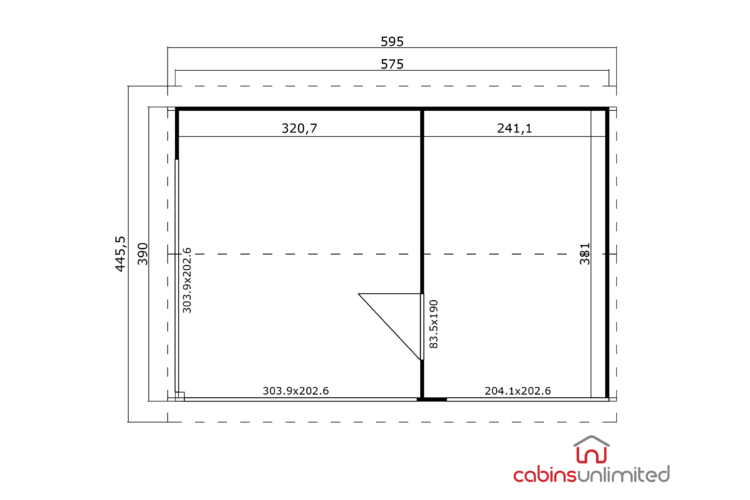
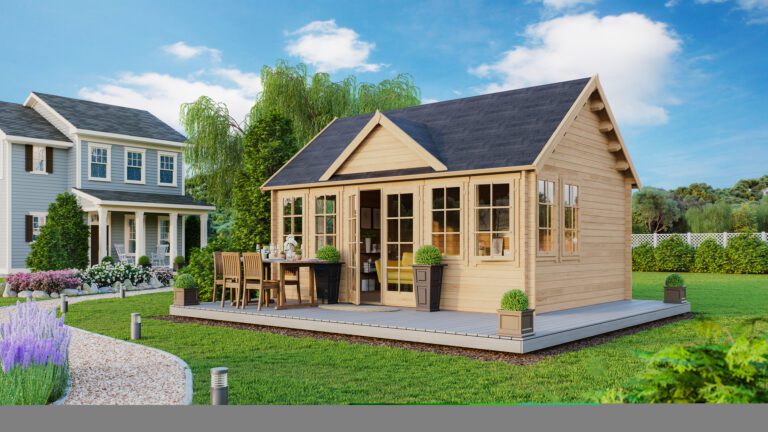
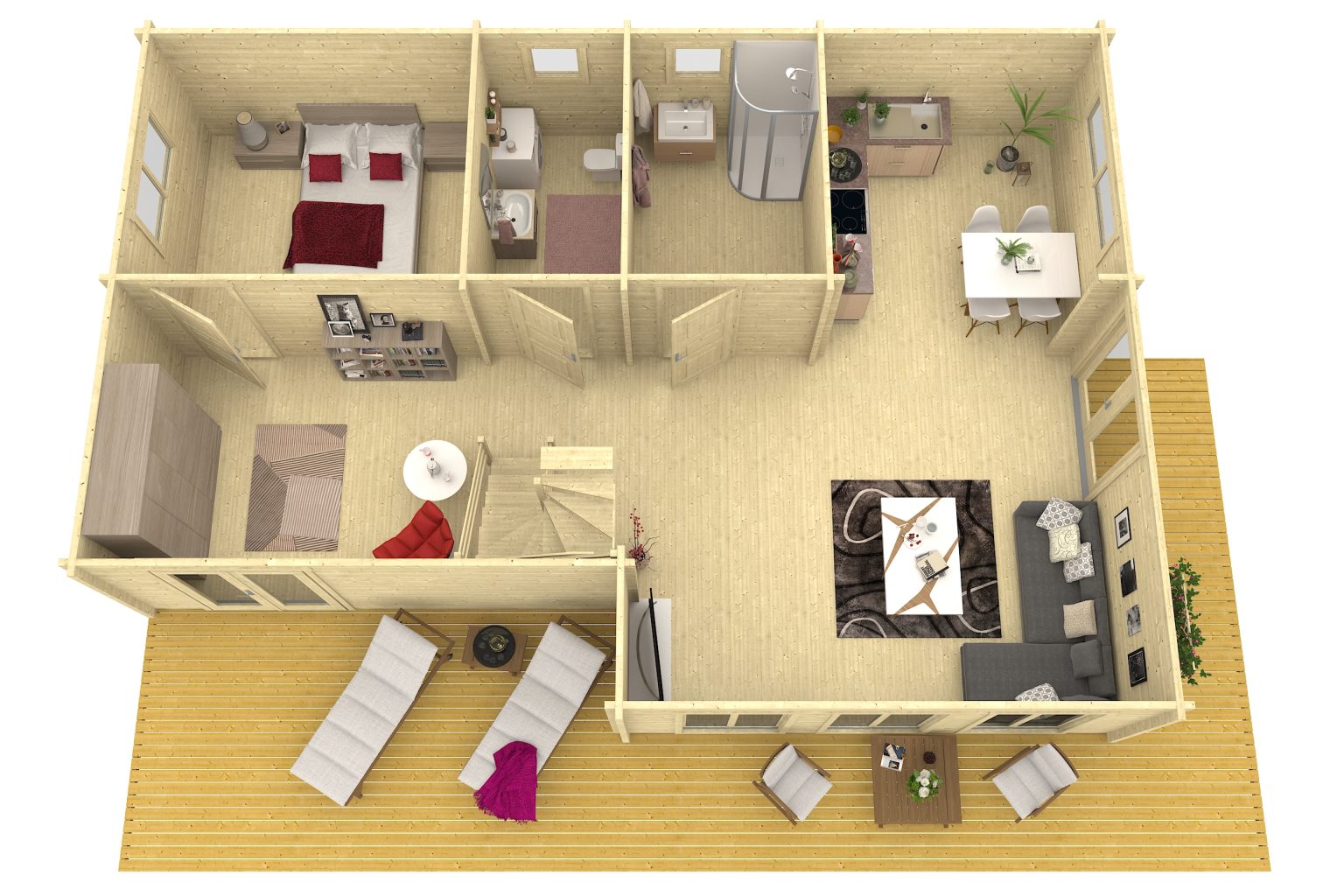
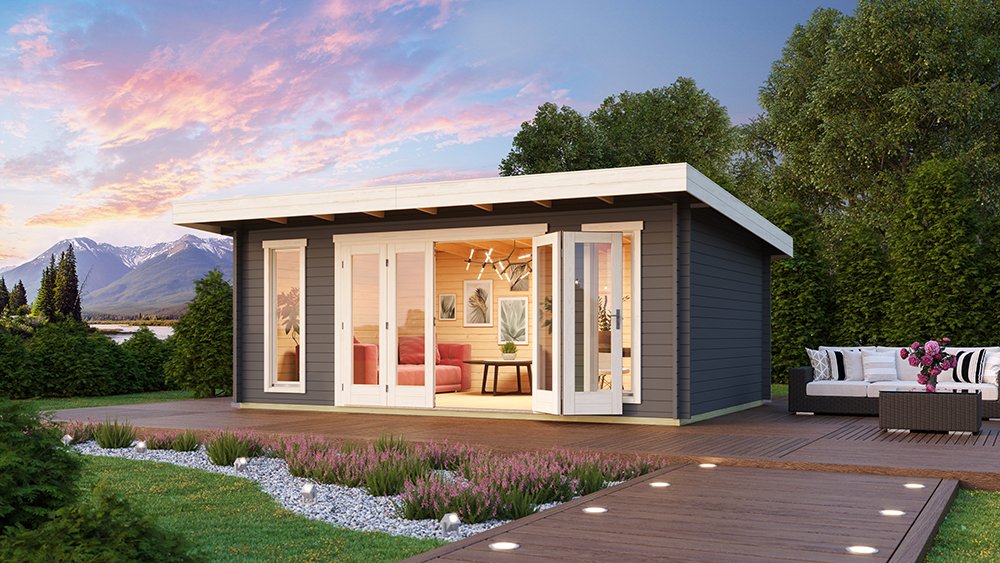
Caroline 2.0 Gold Multi Room Summerhouse with Loft Room
5.75m x 3.9m, Height: Over 2.5m, Wall Thickness: 40mm
A fantastic multi-room option for accommodation space in your garden
From £6,675
Pay just £500 deposit to secure – Call Us
Can you sleep in a garden log cabin legally? The answer depends on how the cabin is used, how often people sleep in it, whether it is intended as separate accommodation, and whether planning permission or Building Regulations approval is needed. In this guide, we explain the key points to consider before using a garden cabin as a guest room, teenage retreat, occasional sleepover space or longer-term accommodation.
A garden log cabin can feel like the perfect extra room.
It might be a peaceful retreat at the end of the garden, a space for teenagers, a games room, a summerhouse, a home office or somewhere for visiting family to relax. Once you start furnishing it with comfortable seating, heating, lighting and soft furnishings, it is natural to wonder whether it could also be used for sleeping.
So, can you sleep in a garden log cabin legally?
The short answer is: sometimes, but you need to be careful.
There is a big difference between a garden cabin used occasionally as part of normal family life and a building designed or used as separate sleeping accommodation. The more the building starts to look and function like a bedroom, guest annexe, Airbnb unit or self-contained living space, the more important it becomes to check planning permission, Building Regulations, insurance, safety and practical requirements before using it in that way.
At Cabins Unlimited, we supply a wide range of log cabins, summerhouses, garden rooms and timber buildings. Many of these buildings can be furnished beautifully and used in flexible ways, but sleeping use needs proper thought. It is not something to treat as an afterthought once the cabin has been installed.
If you are thinking about using a garden log cabin for guests, teenagers, occasional sleepovers, holiday accommodation or longer-term living, this guide will help you understand the questions you need to ask before you buy.
It is always better to plan properly at the beginning than discover later that the building is not suitable for the way you want to use it.
A fantastic multi-room option for accommodation space in your garden
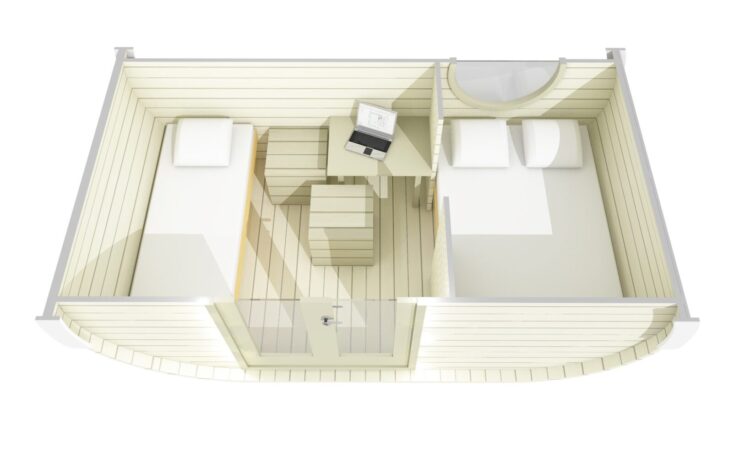
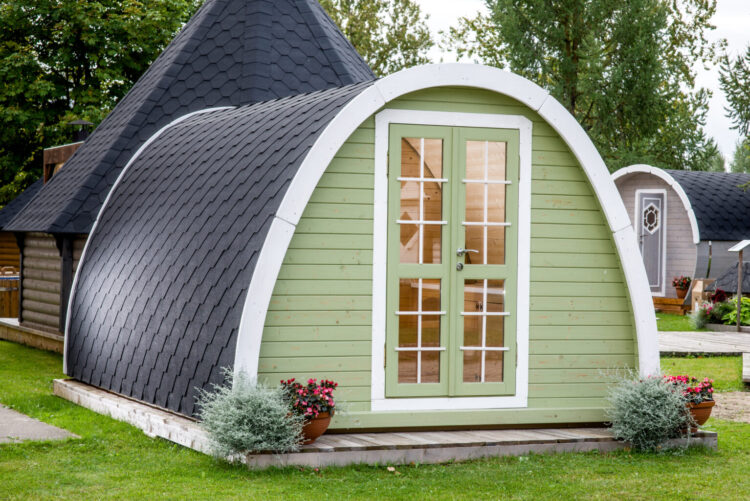
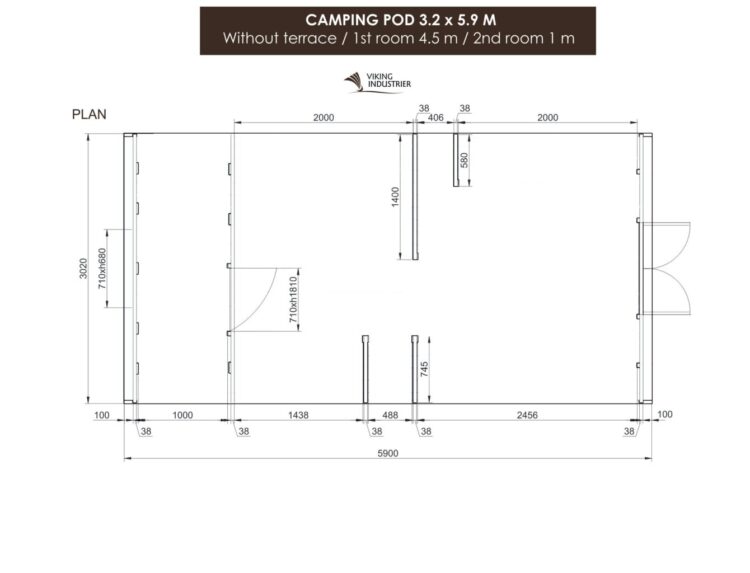
The perfect rustic glamping retreat with a range of configurations.
Before looking at planning rules, it is useful to define what we mean by sleeping in a garden cabin.
Not every situation is the same.
A child falling asleep on a sofa during a family film night is very different from creating a fully furnished bedroom at the bottom of the garden. Occasional guest use is different from regular overnight stays. A teenage den used for gaming and relaxing is different from a self-contained annexe with a bed, bathroom and cooking facilities.
When thinking about sleeping use, consider whether the cabin would be used as:
The further you move down that list, the more important planning and regulatory issues become.
A garden building that is simply incidental to the enjoyment of the house, such as a home office, hobby room, gym or summerhouse, may often be treated differently from a building used as sleeping accommodation. Sleeping use can change how the building is viewed, both in planning and Building Regulations terms.
This is why it is important to be honest about your intended use from the start.
If you tell us you want a summerhouse for daytime relaxation, the advice may be different from a cabin intended for overnight guests. If you are planning a guest suite, glamping cabin or annexe, the building specification, permissions and safety requirements may all be different.
The right answer depends on the use.
Many garden buildings are installed under permitted development rules, provided they meet the required limits and conditions.
These rules can cover outbuildings used for purposes incidental to the enjoyment of the main house. Typical examples might include a garden office, gym, hobby room, summerhouse, workshop or storage building.
Sleeping accommodation is more sensitive.
A building intended for sleeping may not be treated in the same way as a standard garden office or summerhouse. If the cabin is being used as a bedroom, guest accommodation, annexe or holiday let, you may need planning permission. This is especially likely if the building starts to function separately from the main house.
Planning issues may become more important if:
A cabin does not automatically become unlawful just because someone occasionally naps in it or uses a sofa bed once in a while. However, once the intended use becomes sleeping accommodation, it is sensible to check the position properly before ordering.
Planning decisions can depend on the property, the location, the design and the proposed use. Your local planning authority is the right place to check if there is any doubt.
At Cabins Unlimited, we can help you understand the product details, such as size, height and layout, so you have useful information when speaking to planning officers or professional advisors.
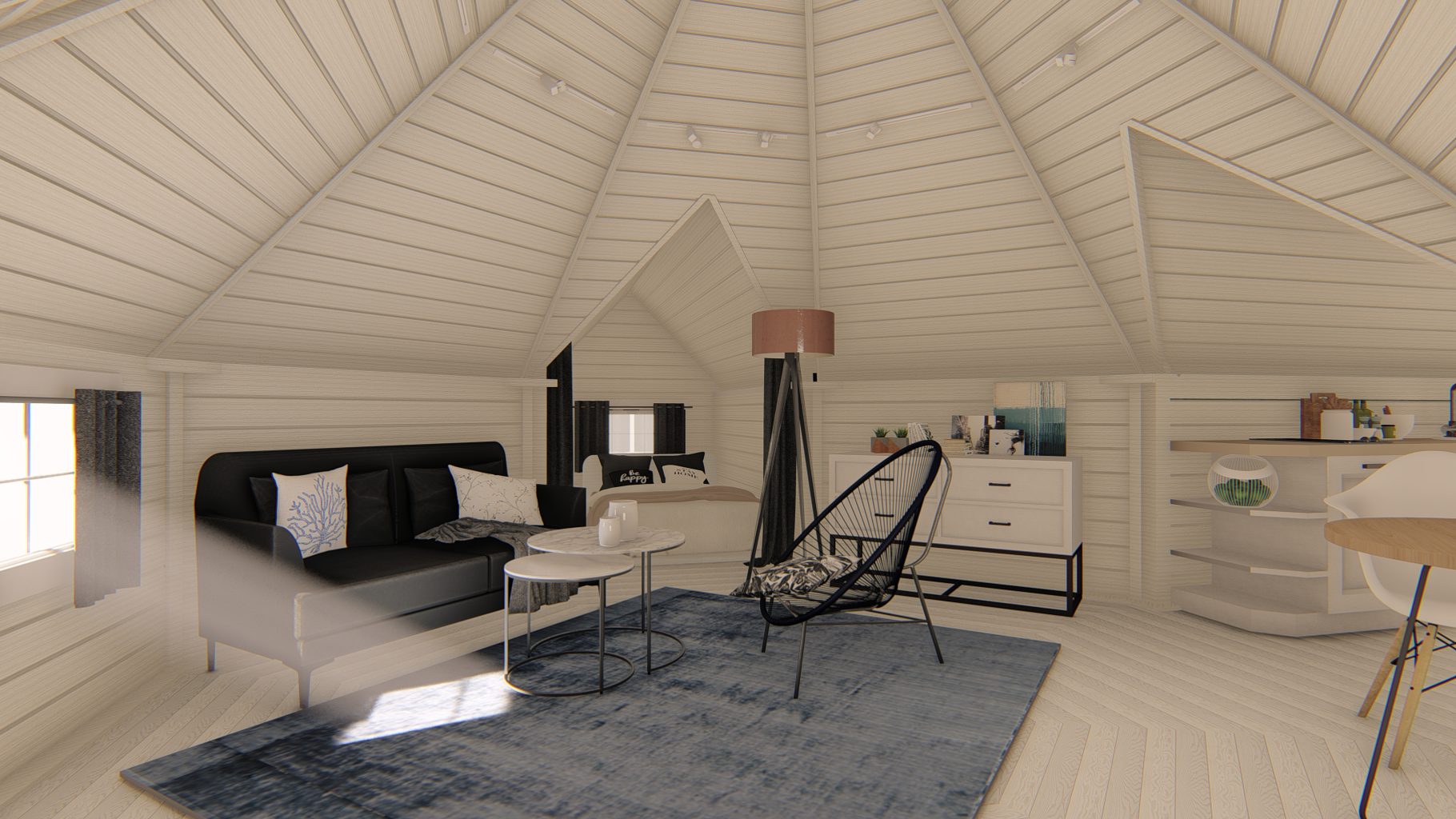
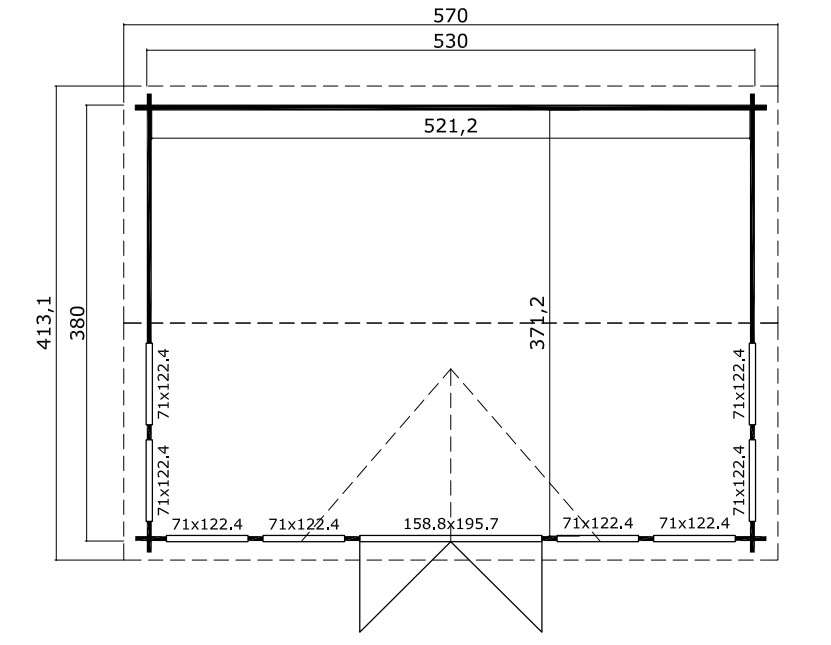
Big brother to The Hampshire with beautiful porch entrance
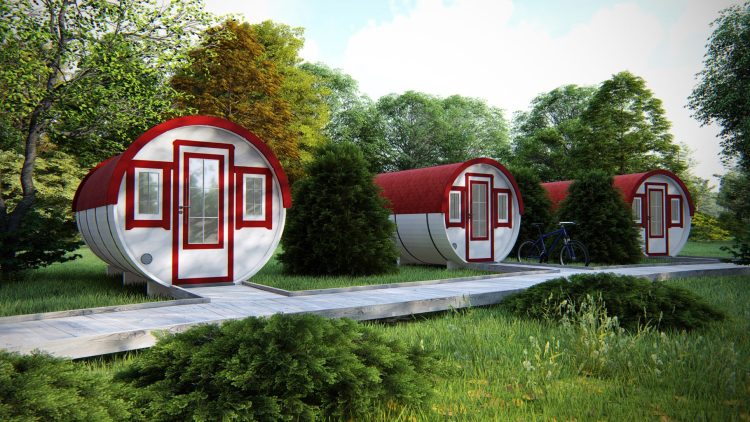
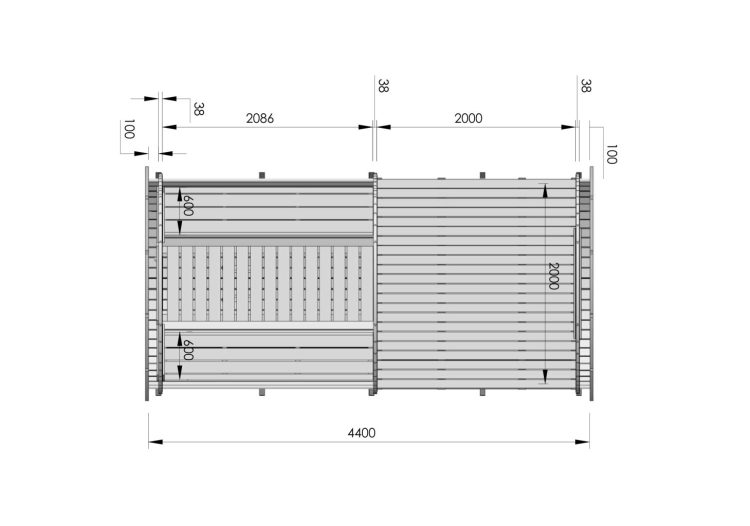
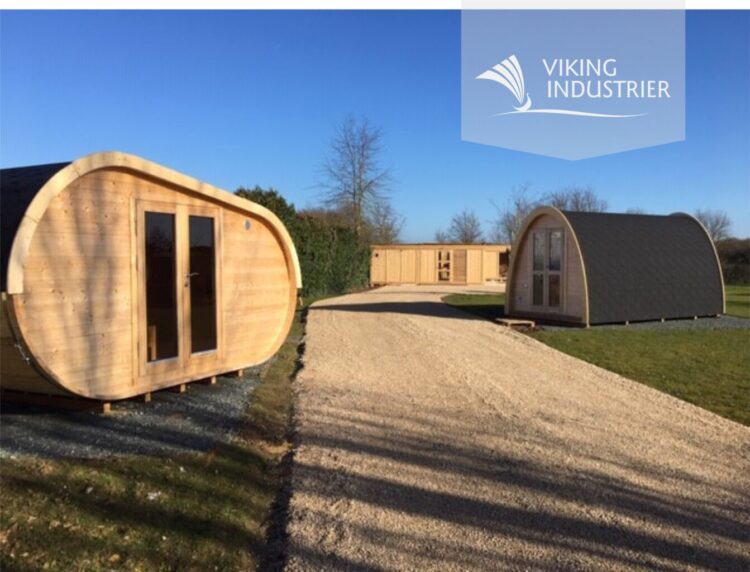
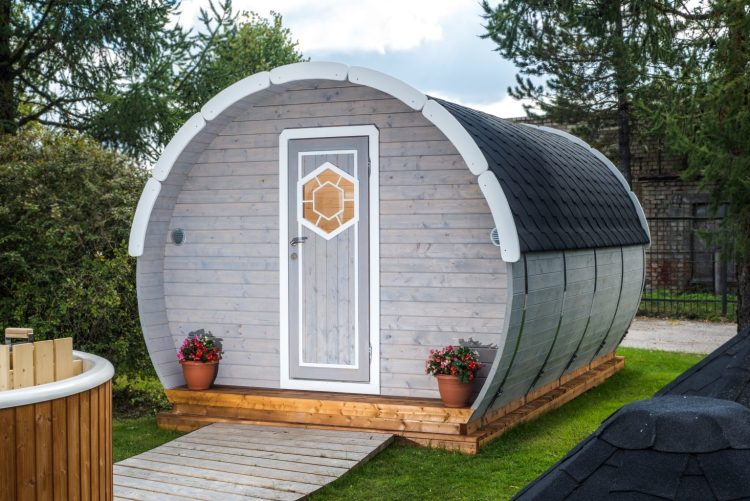
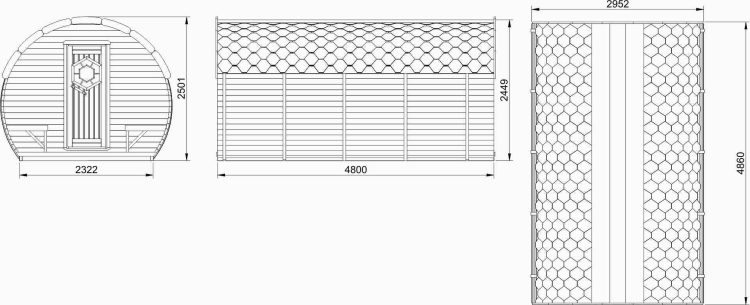
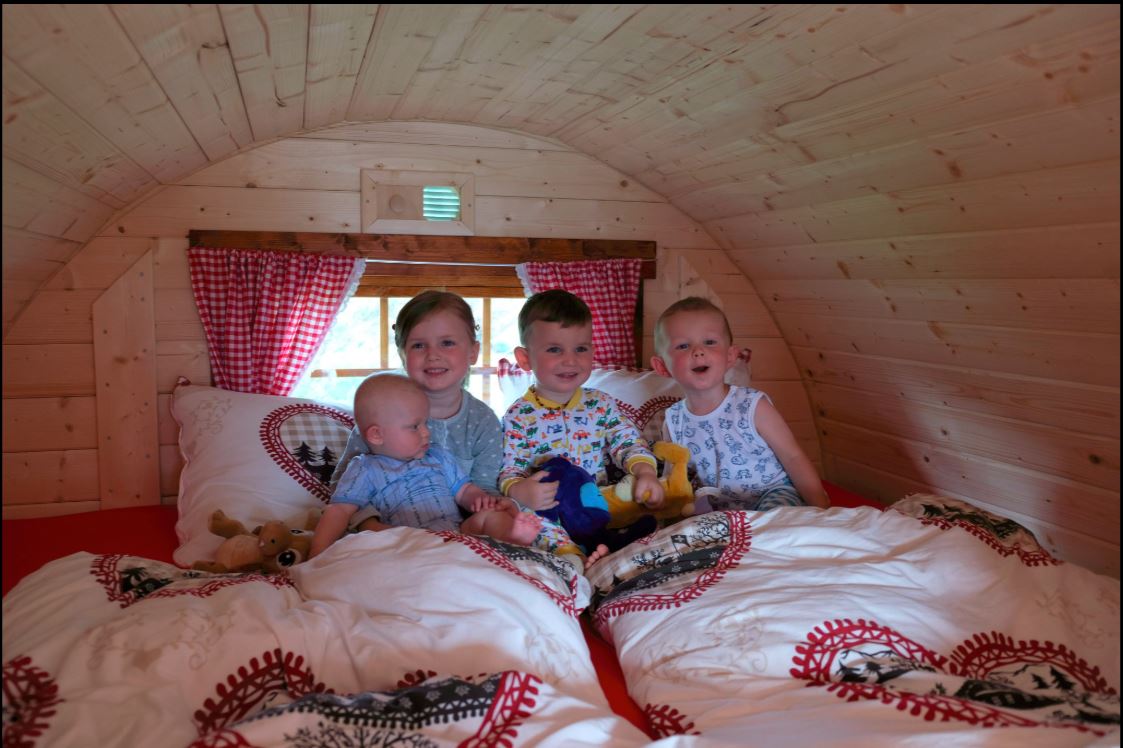
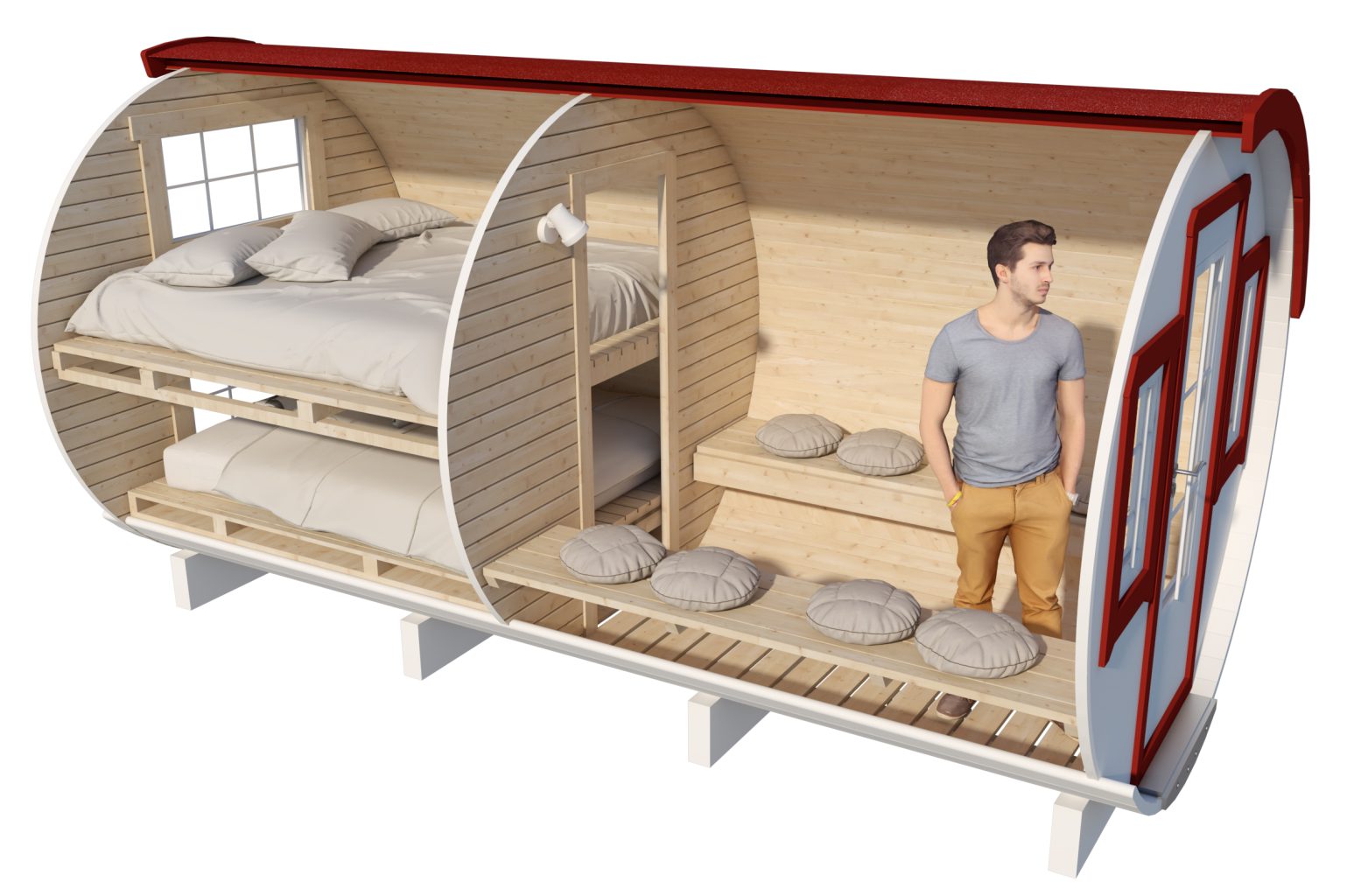
Timber sleeping barrel pod ideal for glamping, guest accommodation and garden retreats.
Planning permission and Building Regulations are not the same thing.
Planning permission is about whether the building and its use are acceptable in planning terms. Building Regulations are about how the building is constructed and whether it meets safety, structural, fire, insulation, ventilation and other requirements.
Sleeping accommodation is important because Building Regulations guidance treats it differently from ordinary garden use.
Small detached outbuildings may not normally need Building Regulations approval if they are under certain size thresholds and contain no sleeping accommodation. Once sleeping accommodation is included, that exemption may no longer apply.
This is a very important point.
If a garden cabin will be used for sleeping, it may need to meet more demanding standards. Depending on the project, this could include:
The exact requirements will depend on the design, size, use and location of the building.
This is why a standard garden cabin should not automatically be treated as a bedroom. A building that is perfectly suitable as a summerhouse, office or hobby room may not be suitable as sleeping accommodation without additional design, specification and approval.
If you plan to sleep in the cabin regularly, use it as guest accommodation or create an annexe, you should speak to Building Control or a suitable professional before ordering.
It is much easier to design the right building at the start than try to make an unsuitable building comply later.
Many customers ask about occasional guest use.
This might mean relatives staying for a weekend, teenagers having friends over, or a sofa bed being used once in a while during family gatherings. This is a different scenario from creating a permanent bedroom or separate accommodation.
Even so, it still needs sensible planning.
If a cabin may occasionally be used overnight, think carefully about comfort and safety. A casual summerhouse may be fine for daytime use, but overnight use brings extra considerations.
You should think about:
The more regularly people sleep in the building, the more important these questions become.
Comfort also matters. A cabin used for overnight stays should feel dry, warm and well ventilated. Insulation to the floor and roof can help, especially if the building is used outside the summer months. Good blinds or curtains, practical lighting and safe heating can also make a big difference.
If you are only planning very occasional use, the approach may be relatively simple. If you are planning frequent guest accommodation, you should treat it as a more formal project and seek the right advice before buying. Our expert team at our three display sites across Norfolk are happy to help!
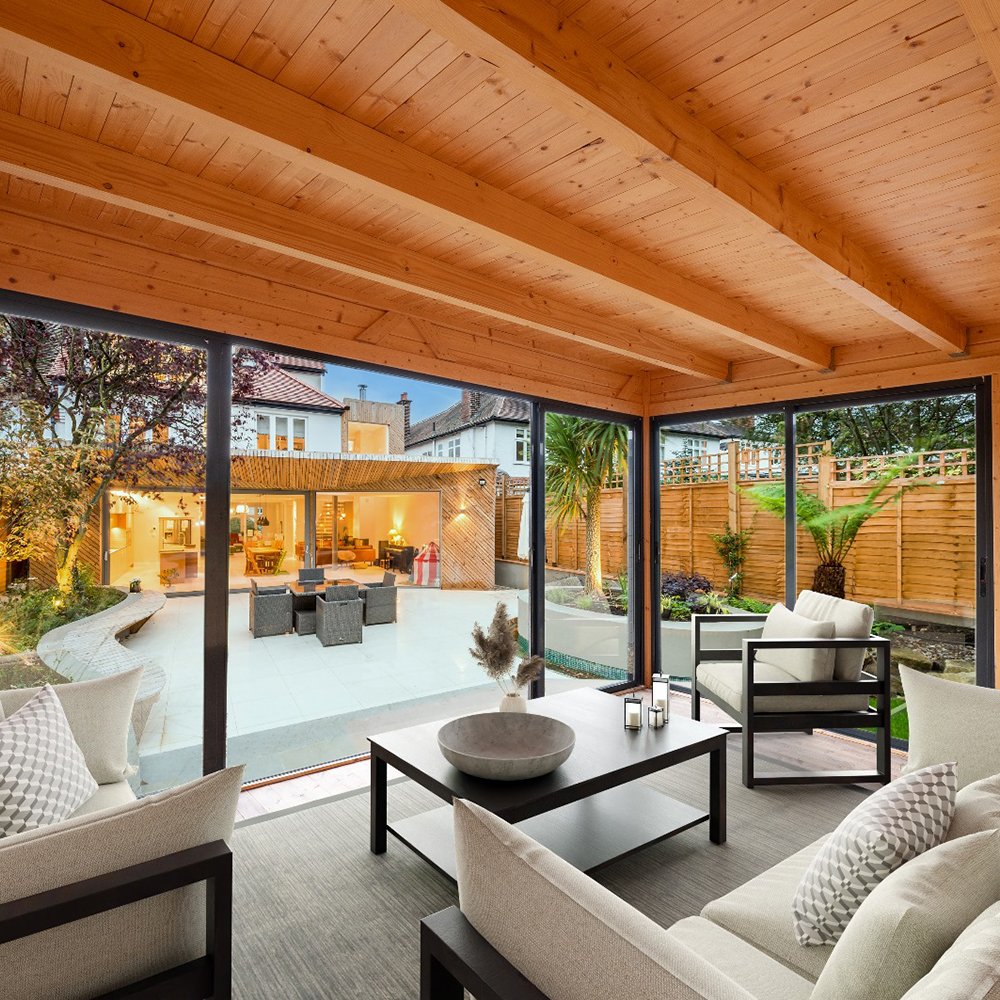
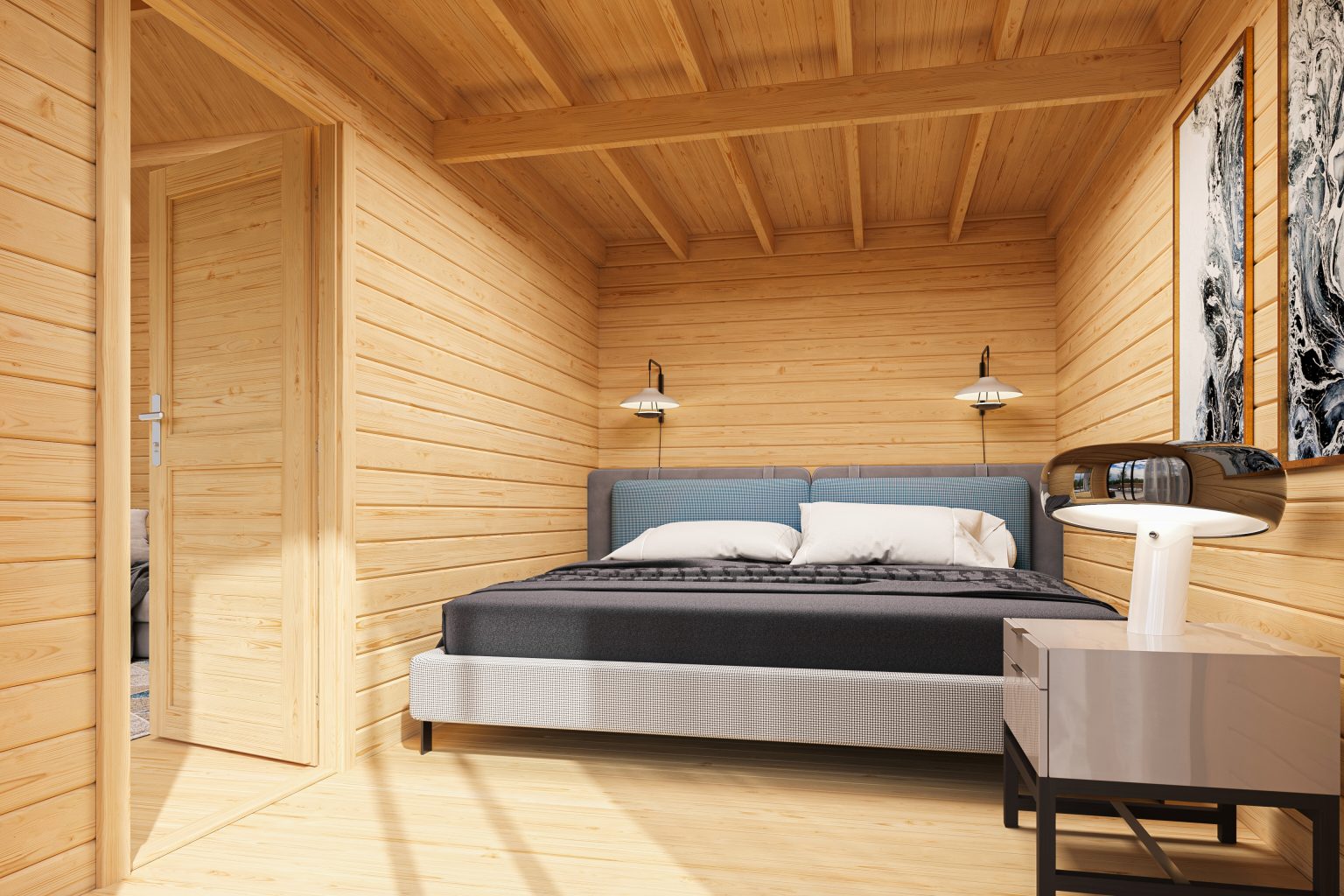
Permanent sleeping accommodation needs much more care.
If someone is going to use the cabin as their regular bedroom, or if the building is being created as a self-contained living space, you should assume that planning permission and Building Regulations will need serious consideration.
This can apply to:
These are not simply “garden room” uses. They create different planning, safety and legal questions.
For example, a self-contained annexe may raise issues around residential use, council tax, services, drainage, access, fire safety and long-term occupation. A holiday let or glamping cabin may involve commercial planning considerations, insurance, safety standards and business regulations. A bedroom for a family member may still need to comply with Building Regulations if it is intended as sleeping accommodation.
This does not mean it is impossible. It means the project needs to be planned properly.
A timber building can be a fantastic option for guest accommodation, glamping, commercial hospitality or family support, but it needs the correct permissions, specification and professional advice. The building may need to be designed differently from a standard summerhouse or garden office.
If you are planning permanent or regular sleeping use, speak to your local planning authority, Building Control and relevant professional advisors before placing an order.
At Cabins Unlimited, we can help you explore timber building options, but the legal and regulatory position should be checked properly for your specific site and use.
Teenage dens are one of the most popular uses for garden cabins.
A garden room can give teenagers a little independence while still keeping them close to home. It can become a games room, music space, study area, chill-out room or weekend hangout with friends.
Occasional sleepovers may be part of that wider use, but there is an important difference between a teenage den and a separate bedroom.
If the building is mainly used as a leisure space, with occasional supervised sleepovers, the practical focus is usually comfort and safety. If the building becomes the teenager’s regular bedroom, the planning and Building Regulations position may become more serious.
For teenage use, think about:
A teenage cabin should also be designed with future flexibility in mind. Teenagers grow up quickly. A games room today may become a garden office, gym, hobby room or relaxation space in a few years’ time.
This is where choosing a good-quality, flexible timber building can be a smart decision. Rather than creating a space with only one short-term purpose, you can choose a cabin that can adapt as family needs change.
A teenage retreat can be a brilliant use of a garden building, but if it becomes regular sleeping accommodation, take advice before relying on it as a bedroom.
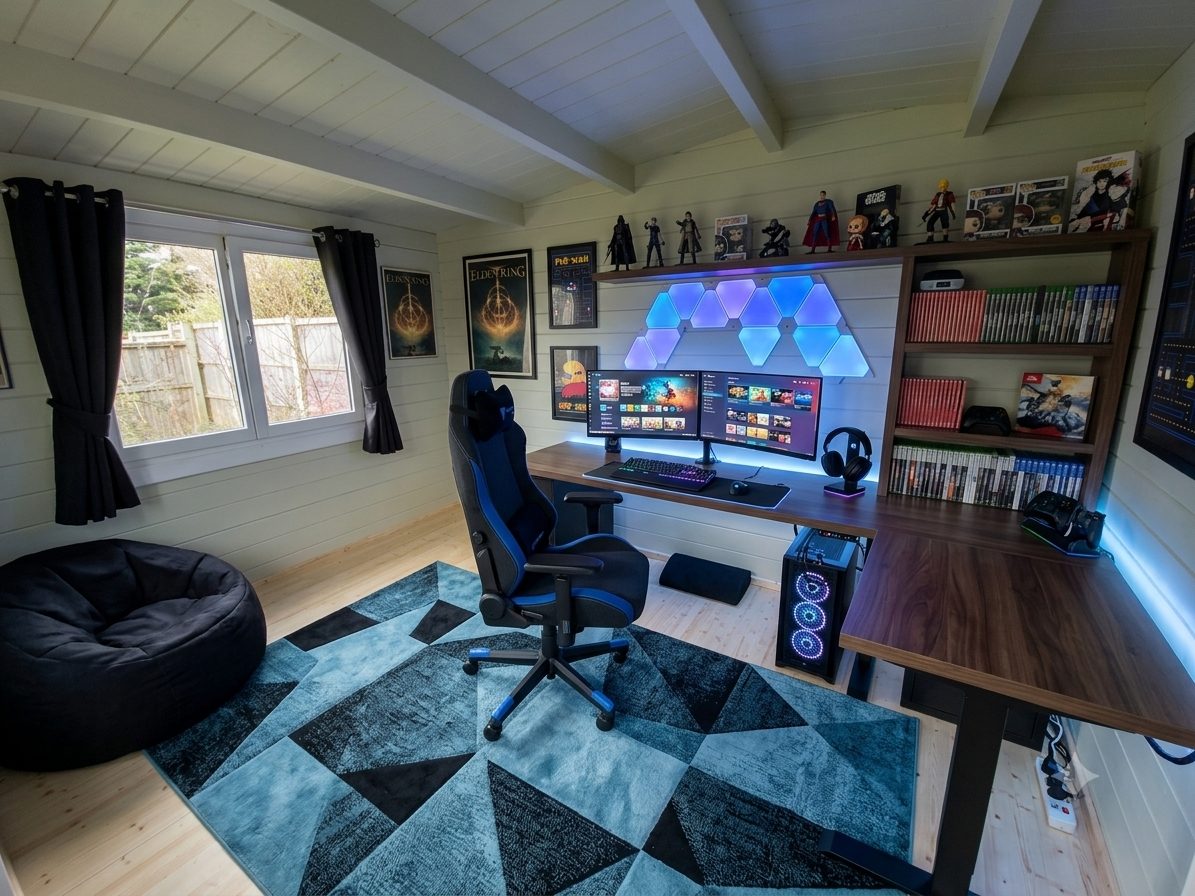
44mm Log Cabin
The same as the Austin 4 but with an additional side window
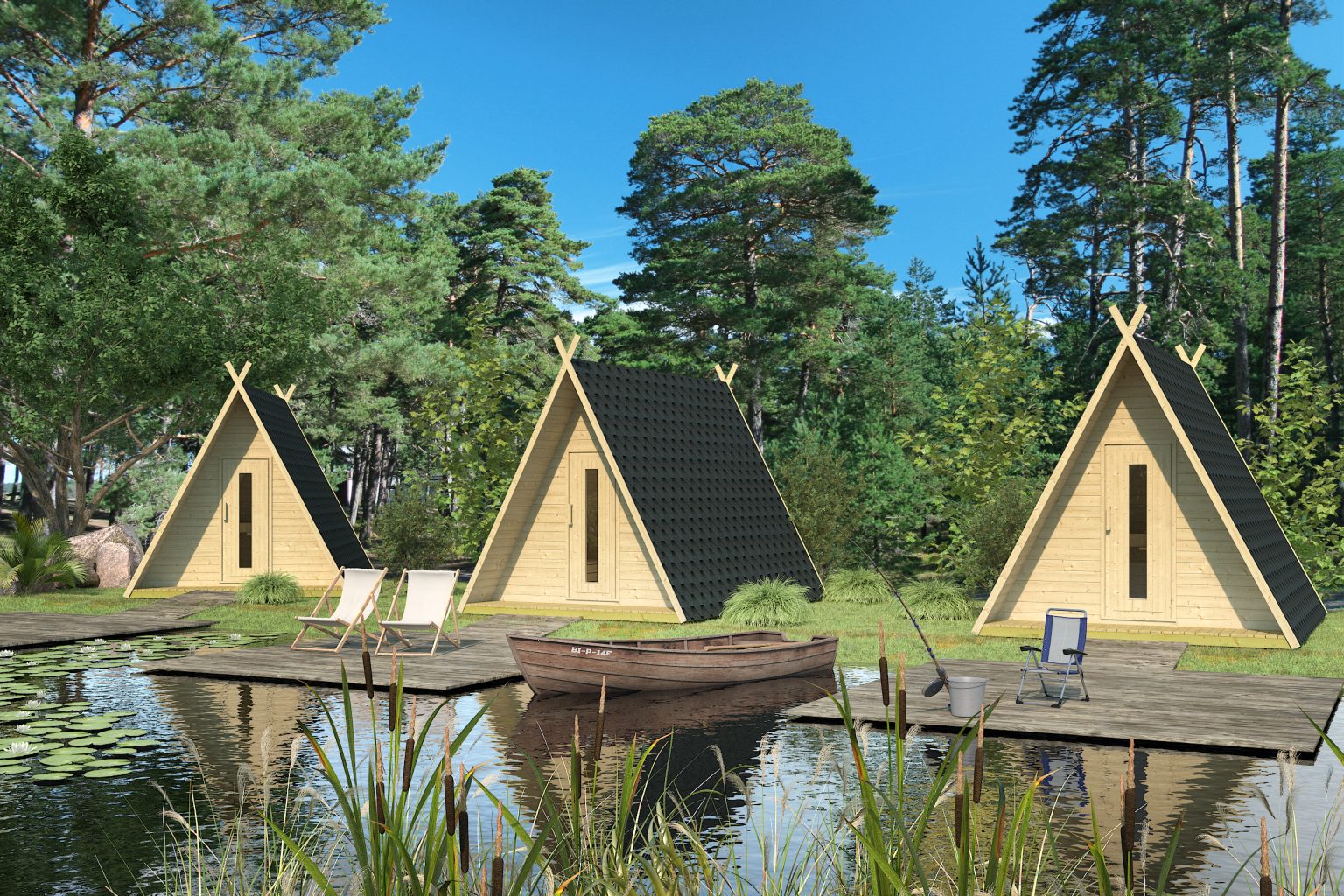
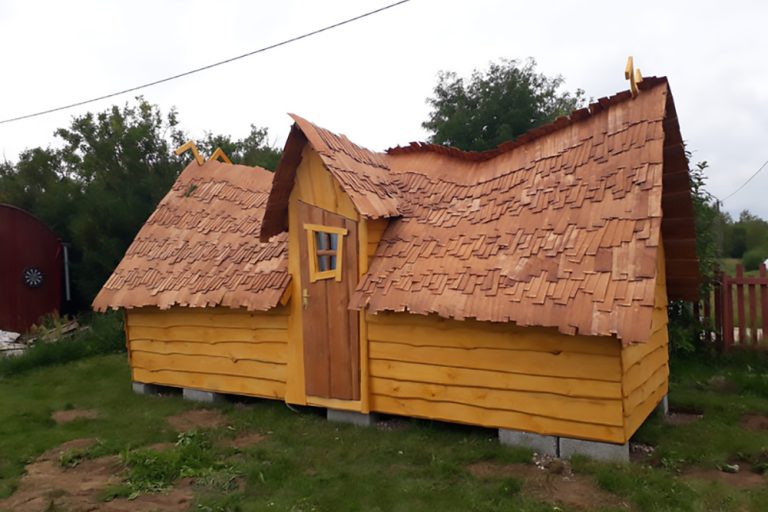
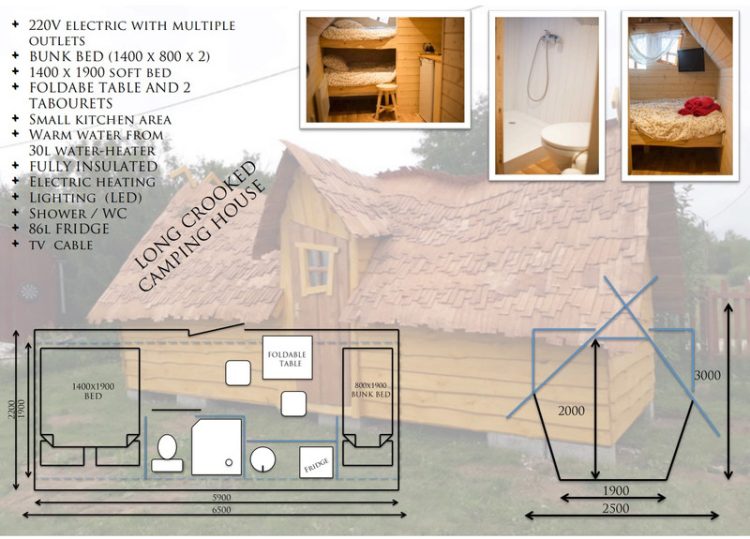
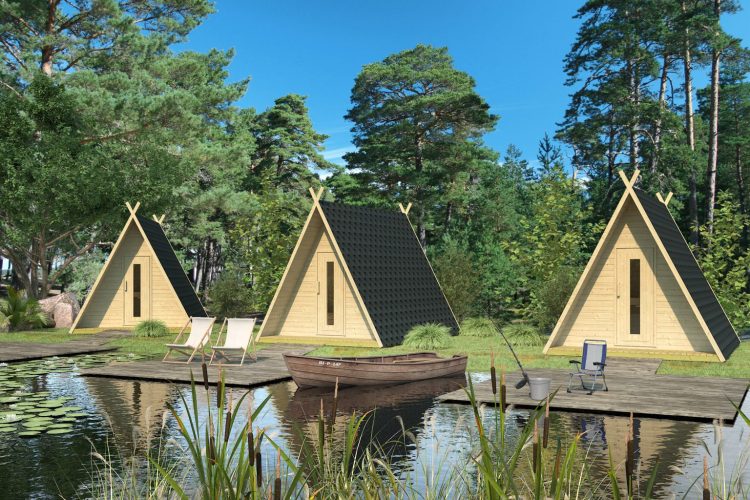
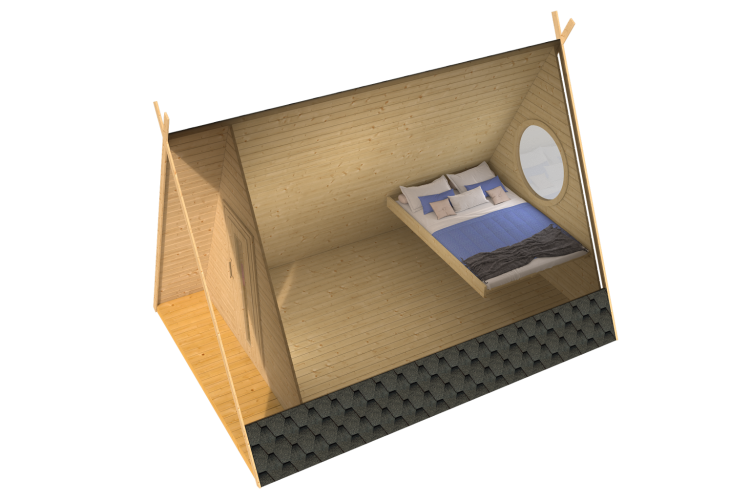
A Witches Style Unique Glamping Pod
A log cabin can be very attractive for Airbnb, glamping or holiday accommodation, but this is a different type of project from a domestic garden room.
If you plan to charge guests to stay overnight, you should treat the cabin as commercial accommodation. That usually means checking planning permission, Building Regulations, insurance, fire safety, access, services and any local licensing or business requirements.
You may also need to think about:
A commercial glamping pod or holiday cabin may need a different specification from a domestic summerhouse. It may need to be more robust, easier to clean, better insulated and designed around guest comfort.
This is an area where timber buildings can work very well when planned correctly. Cabins, pods and small timber accommodation units are already popular in glamping, hospitality and tourism settings. They can create memorable guest experiences and help landowners, venues and hospitality businesses diversify.
However, the key phrase is “planned correctly”.
Do not buy a standard garden cabin and assume it can automatically be used as a holiday let. Start with the intended use, check the legal position, then choose the right building.
If anyone may sleep in a garden cabin, comfort becomes much more important.
A daytime summerhouse can be used casually when the weather is pleasant. A sleeping space needs to feel comfortable through the evening, overnight and early morning. That means thinking about warmth, ventilation, condensation and how the building performs in different seasons.
Insulation is one of the first things to consider.
At Cabins Unlimited, we often recommend floor and roof insulation where customers want to use their timber building regularly or throughout the year. These areas can make a noticeable difference to comfort and help improve the value you get from any heating source.
For sleeping or guest use, you may also want to think about:
Heating should always be safe and suitable for the building. Portable or temporary heating should be treated with care, especially in a timber structure. Electrical work should be carried out by a suitably qualified electrician.
Ventilation is just as important as warmth. A cabin that is heated but poorly ventilated can feel stuffy and may be more prone to condensation. Good air flow helps keep the space fresher and more comfortable.
If sleeping use is part of your plan, tell us early. It can affect the building, specification and advice.
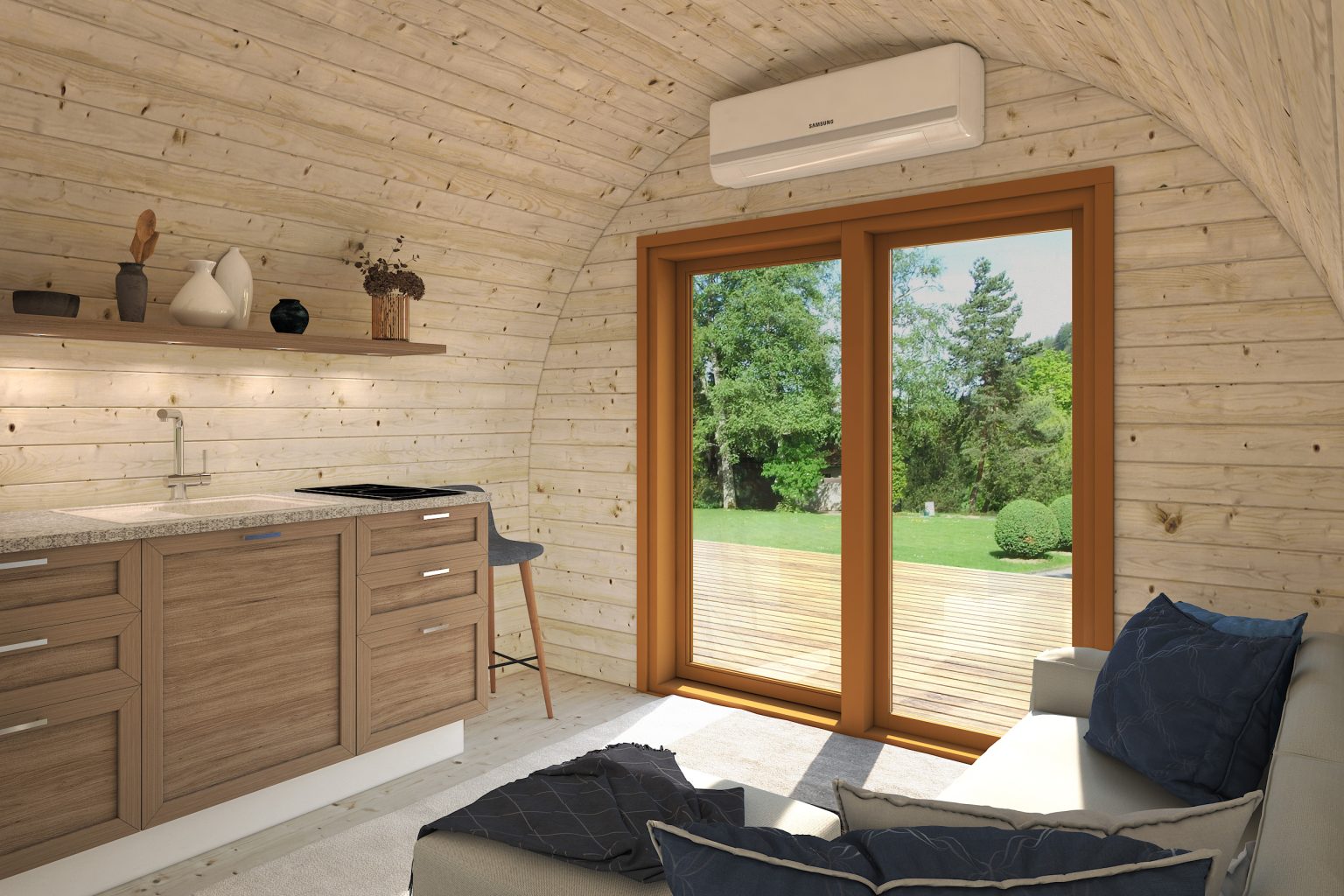
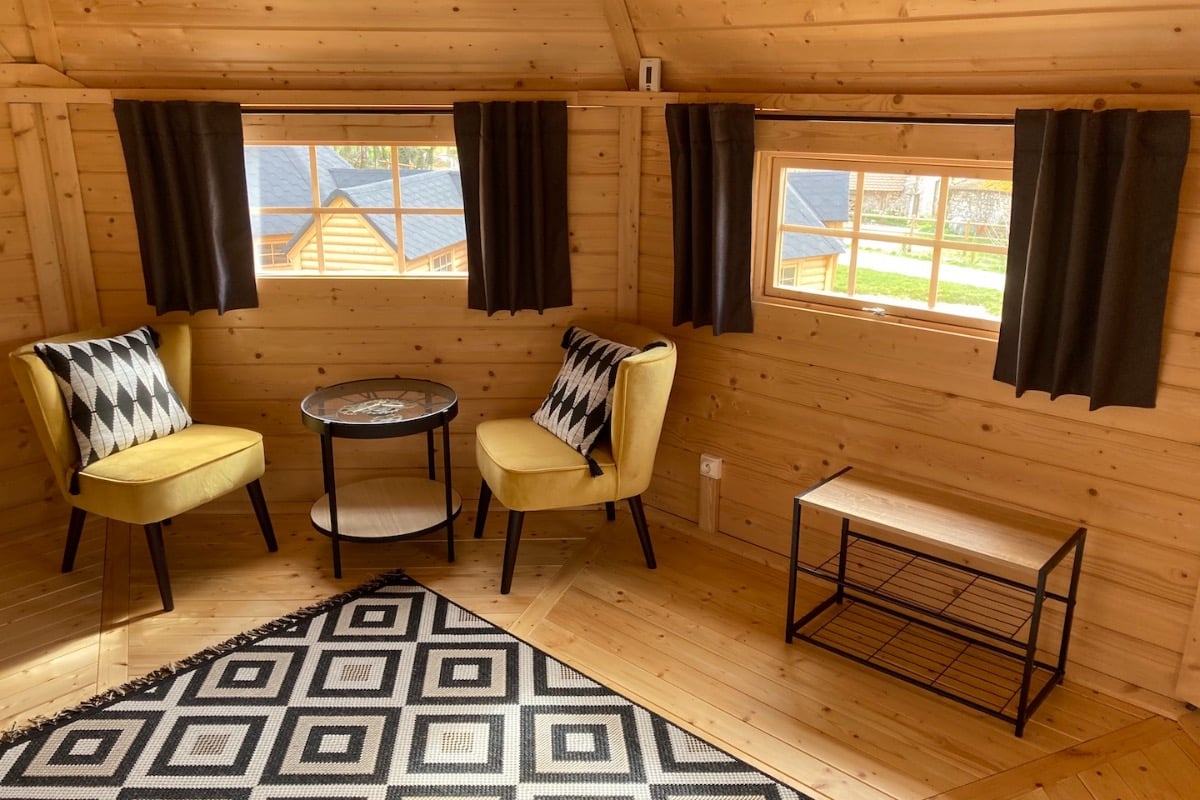
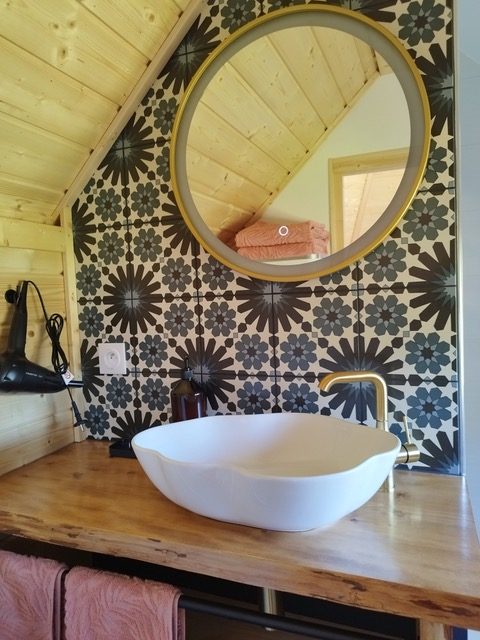
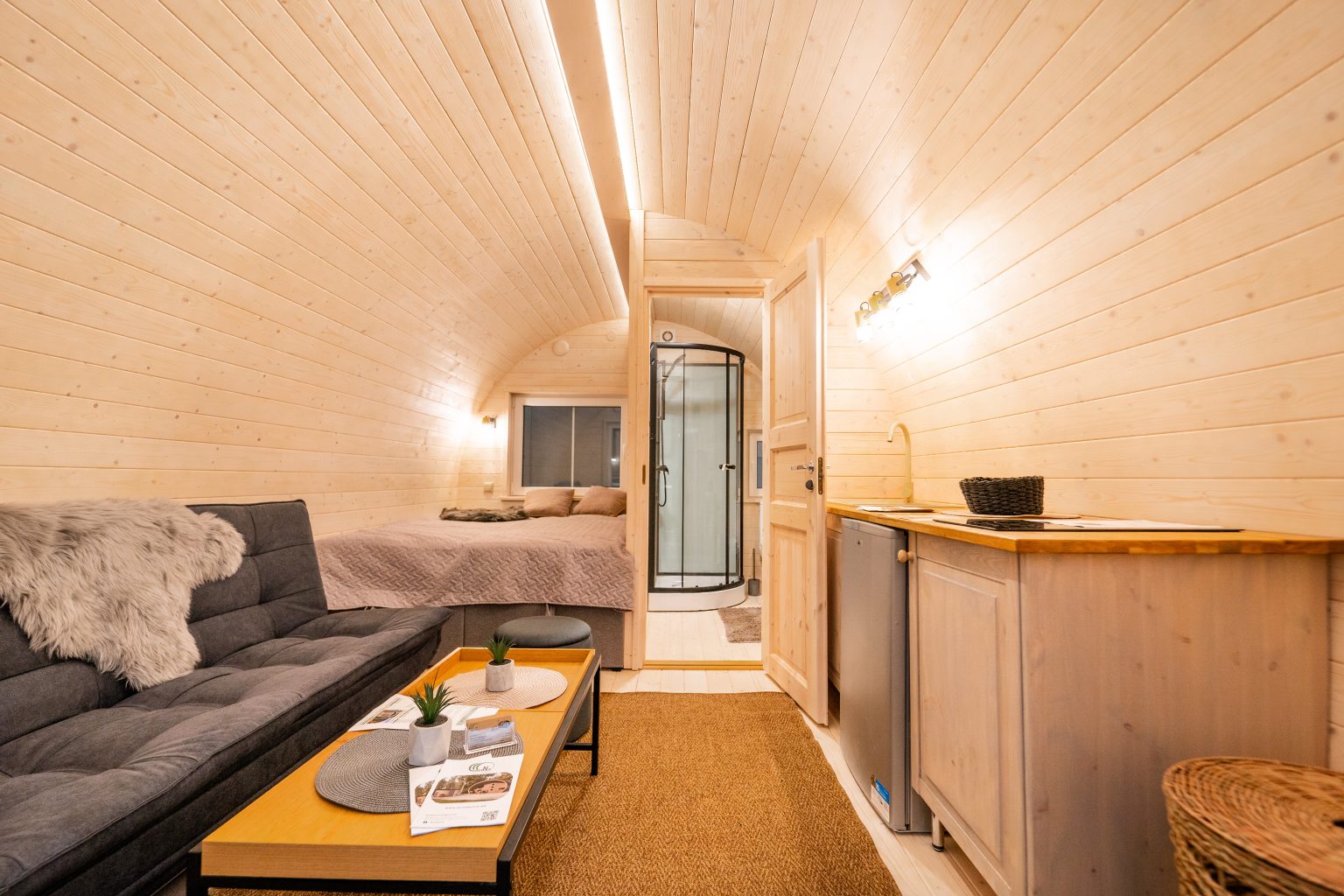
Sleeping in any separate building raises safety questions.
When people are awake, they can respond quickly if something goes wrong. When people are asleep, the risks change. That is why fire safety, escape routes, smoke detection, heating and electrical installation all matter.
At a practical level, think about:
For occasional use, many of these points are simple common sense. For regular or formal sleeping accommodation, they may form part of Building Regulations or other compliance requirements.
It is also worth speaking to your insurer. Buildings and contents insurance may be affected by how the cabin is used, especially if people sleep in it, if there is heating or electrics, or if it is used commercially.
Safety is not the most glamorous part of planning a garden cabin, but it is one of the most important.
A cabin should feel relaxing because it has been planned properly.
If sleeping use is even a possibility, it is worth planning for that from the start.
You do not need to make every decision immediately, but you should be clear about your likely use before choosing the building. A cabin chosen only as a summerhouse may not be the best option if you later decide it needs to work as guest accommodation.
Start with these questions:
Once you know the answers, it becomes easier to choose the right building.
For occasional family use, a comfortable multi-use cabin with insulation, heating and safe electrics may be the right direction, subject to checking permissions. For regular accommodation, a more formal design and approvals process may be required. For commercial glamping or Airbnb use, you should approach the project as a business accommodation project from the beginning.
This is also where a site survey can help. Looking at the garden, access, base, services and position before ordering can help avoid problems later.
At Cabins Unlimited, we can help you compare products, understand options and think through the practical details before you buy.
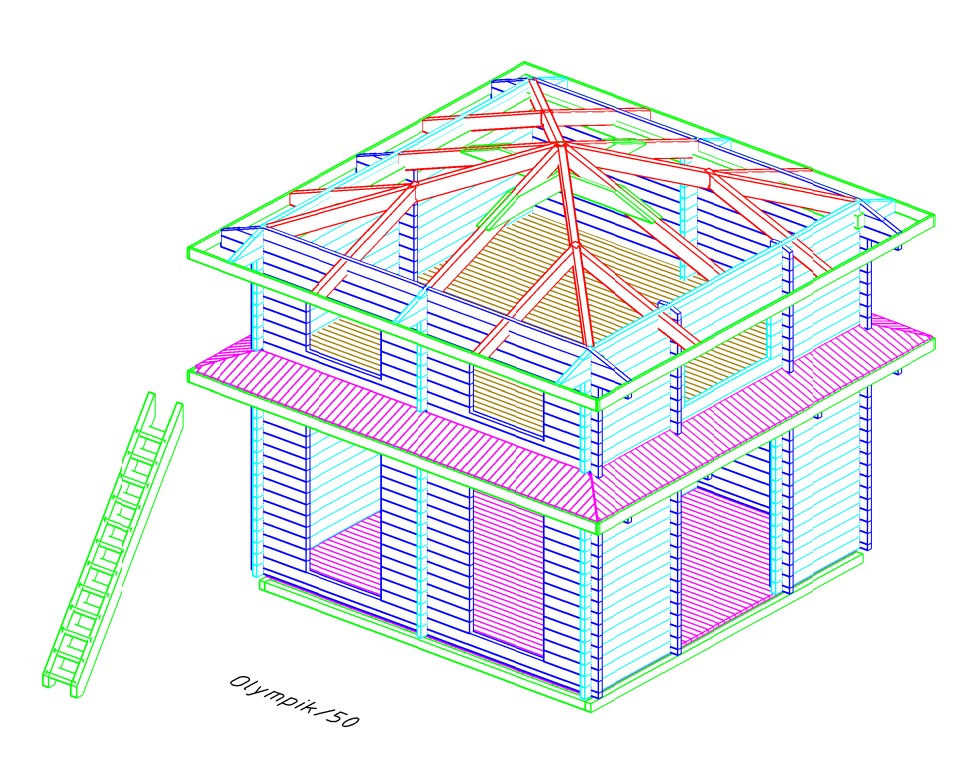
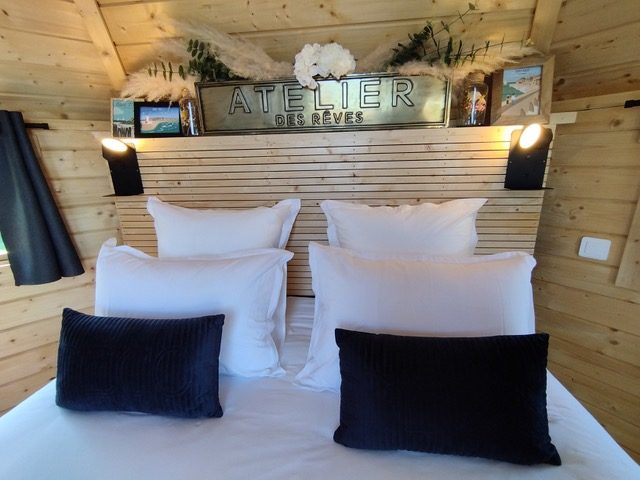
Accommodation space for commercial or domestic uses
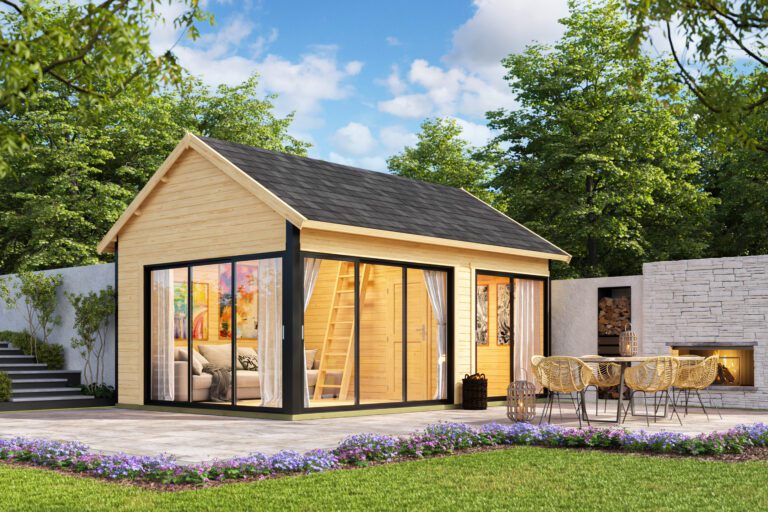
A wonderful residential style modern building with loft room and 2 downstairs rooms
The best type of cabin depends on the kind of sleeping use you have in mind.
For occasional guest use, you may want a flexible garden room or log cabin that can work as a lounge, office or hobby room most of the time, with a sofa bed for occasional visitors. This allows the building to remain useful even when nobody is staying overnight.
For teenage use, a games room or garden den may be more appropriate than a bedroom-style layout. Comfortable seating, storage, power, Wi-Fi and heating can make the space useful without locking it into one purpose.
For glamping or holiday accommodation, purpose-designed pods, sleeping barrels or commercial glamping buildings may be more suitable. These are designed around guest experience and may be easier to position within a commercial accommodation project.
For annexe-style use, you may need a bespoke or specially specified timber building, supported by planning and Building Regulations advice.
Possible options include:
The important thing is to choose the building around the real use.
A beautiful cabin is only successful if it works properly. Size, layout, insulation, heating, access and permissions all need to match the way you plan to use it.
If you are unsure, speak to our team before ordering. We can help you narrow the options and avoid buying a building that is not right for your plans.
A garden log cabin can be a wonderful extra space.
It can support family life, home working, hobbies, relaxation, teenagers, guests and even commercial opportunities when planned properly. But if sleeping is part of the plan, it is important to understand the legal and practical position before you buy.
Occasional use, regular guest accommodation, permanent sleeping space, annexes and holiday lets are not all treated the same way. Planning permission, Building Regulations, safety, insurance, electrics, heating, insulation and access may all need to be considered.
The safest advice is simple: check first.
Speak to your local planning authority if sleeping accommodation is intended. Speak to Building Control or a suitable professional if regular sleeping use is planned. Speak to your insurer before relying on the building for overnight use. And speak to us early so we can help you choose a timber building that suits your intended use.
At Cabins Unlimited, we are here to help you explore the options. Whether you are planning a garden room, log cabin, teenage den, guest space, glamping pod or bespoke timber building, our team can help you think through the practical details and choose with confidence.
Browse our range online, visit one of our display sites at Blofield, Downham Market or Swaffham, or contact our friendly team to talk through your plans.
Your garden cabin can be a brilliant space. It just needs to be planned the right way.
A large and stunning clockhouse cabin
A garden cabin with style and functionality
Modern and fun modern glamping pod
A mid-sized glamping pod with room to relax!
Timber sleeping barrel pod ideal for glamping, guest accommodation and garden retreats.